

Engineering Challenges in LEO Satellite Design, How E-Fab Fills the Space
EO systems introduce distinct design pressures that directly influence component fabrication requirements.
Because LEO satellites operate much closer to Earth's atmosphere, they are more susceptible to atmospheric drag. This drag can degrade satellite performance over time and significantly shorten their operational lifespan compared to satellites in higher orbits.
LEO satellites are typically designed to last approximately five years in orbit, with some lasting up to ten years. As a result, regular replacements are necessary to maintain constellation coverage and ensure continuous service.
Additionally, the increased presence of space debris in low Earth orbit poses a significant risk to LEO satellites. Space debris, including defunct satellites and fragments from collisions, can threaten satellite operation and requires robust shielding and risk mitigation strategies to protect active satellites.
Extreme Weight Sensitivity
Every gram affects launch cost and orbital efficiency. Components must be thin, lightweight, and optimized without sacrificing structural integrity.
Compact Subsystem Architectures
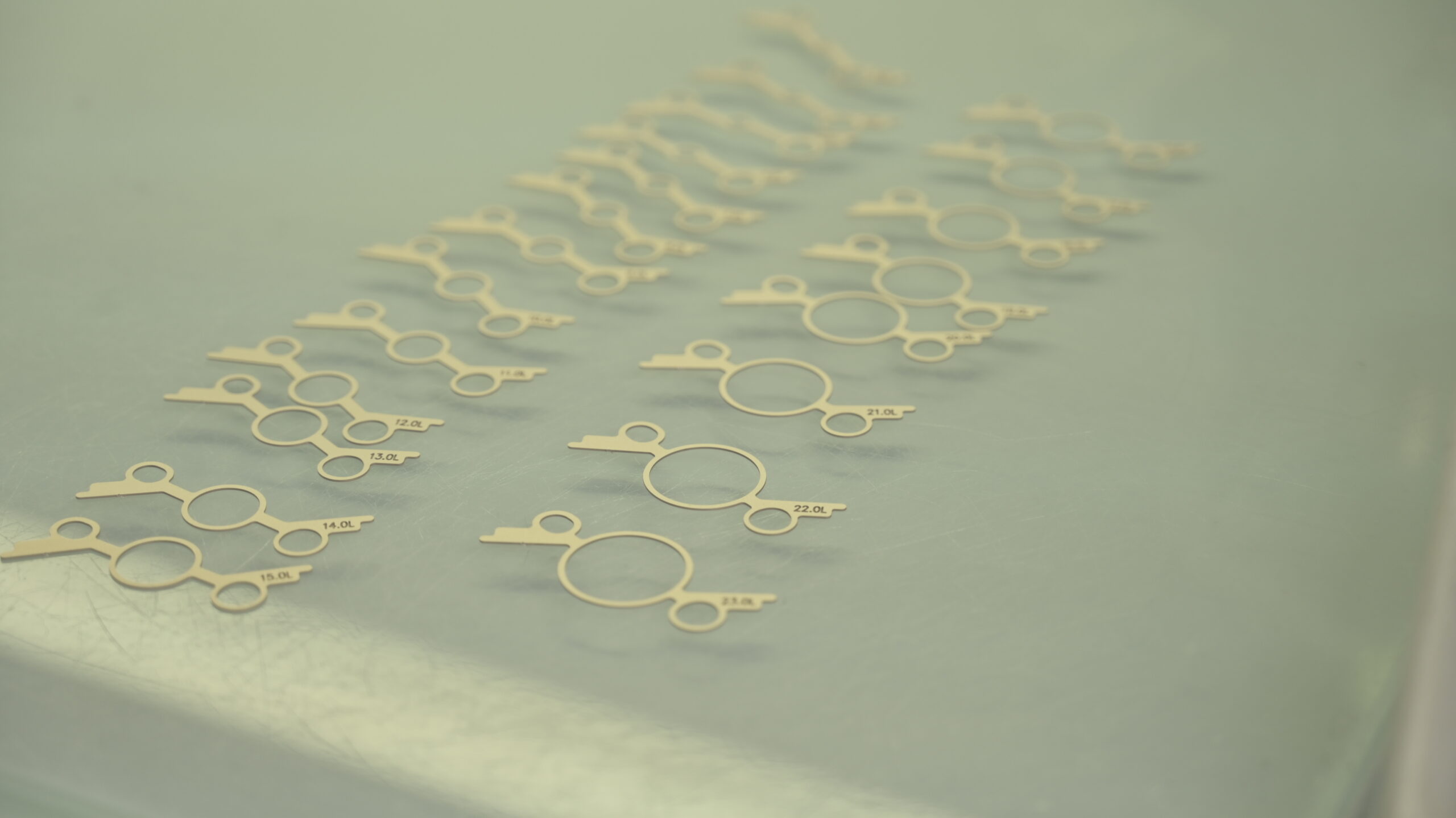
High-density packaging requires intricate geometries and tight tolerances to support RF assemblies, shielding elements, and structural integration.
High-Density RF Integration
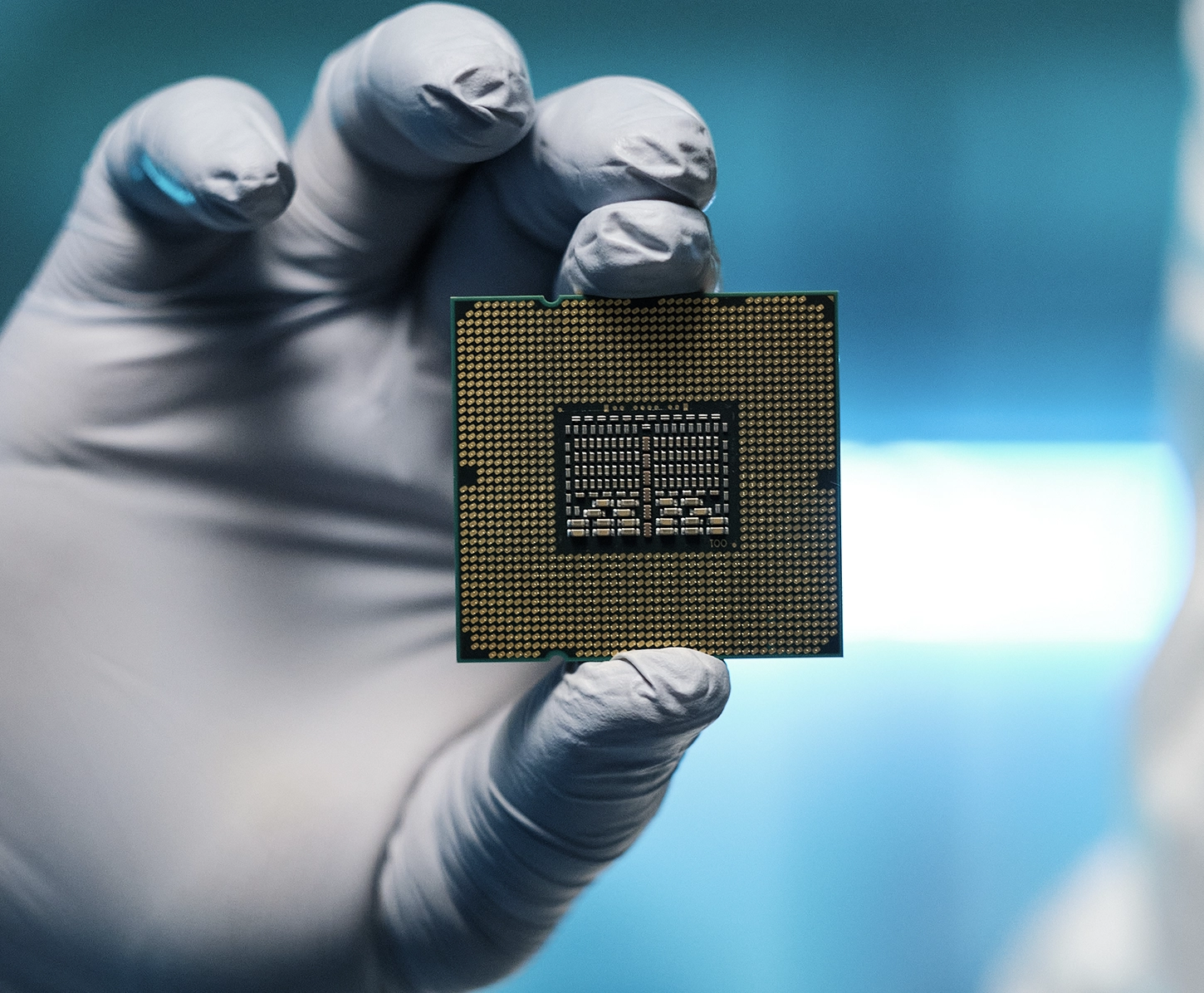
Broadband communications, Earth observation, and defense payloads rely on tightly integrated RF systems where dimensional accuracy and edge quality directly impact performance.
LEO satellites operate across various spectrum bands, including L-band, Ka band, Ku band, and other bands. Their proximity to Earth allows them to handle greater bandwidth, making them ideal for high-speed data services and mobile communications. The use of advanced spectrum bands enables LEO satellites to support direct connectivity for mobile devices and data-heavy applications, improving user experiences and enabling new communications applications.
Thermal Cycling in Orbit
LEO satellites repeatedly transition between sunlight and shadow, inducing thermal expansion and contraction cycles. Dimensional stability and material consistency are critical.

Launch Vibration and Mechanical Shock
Components must withstand dynamic launch loads without deformation, burr-related interference, or stress-induced distortion.
Long-Term Reliability
Satellites must maintain performance throughout operational lifetimes with no opportunity for physical servicing.
High-Volume Repeatability
Constellation deployment requires manufacturing consistency across hundreds or thousands of units, not isolated prototypes.
These engineering realities elevate the importance of precision, burr-free fabrication, and scalable production control.
Component Applications Within LEO Satellite Systems
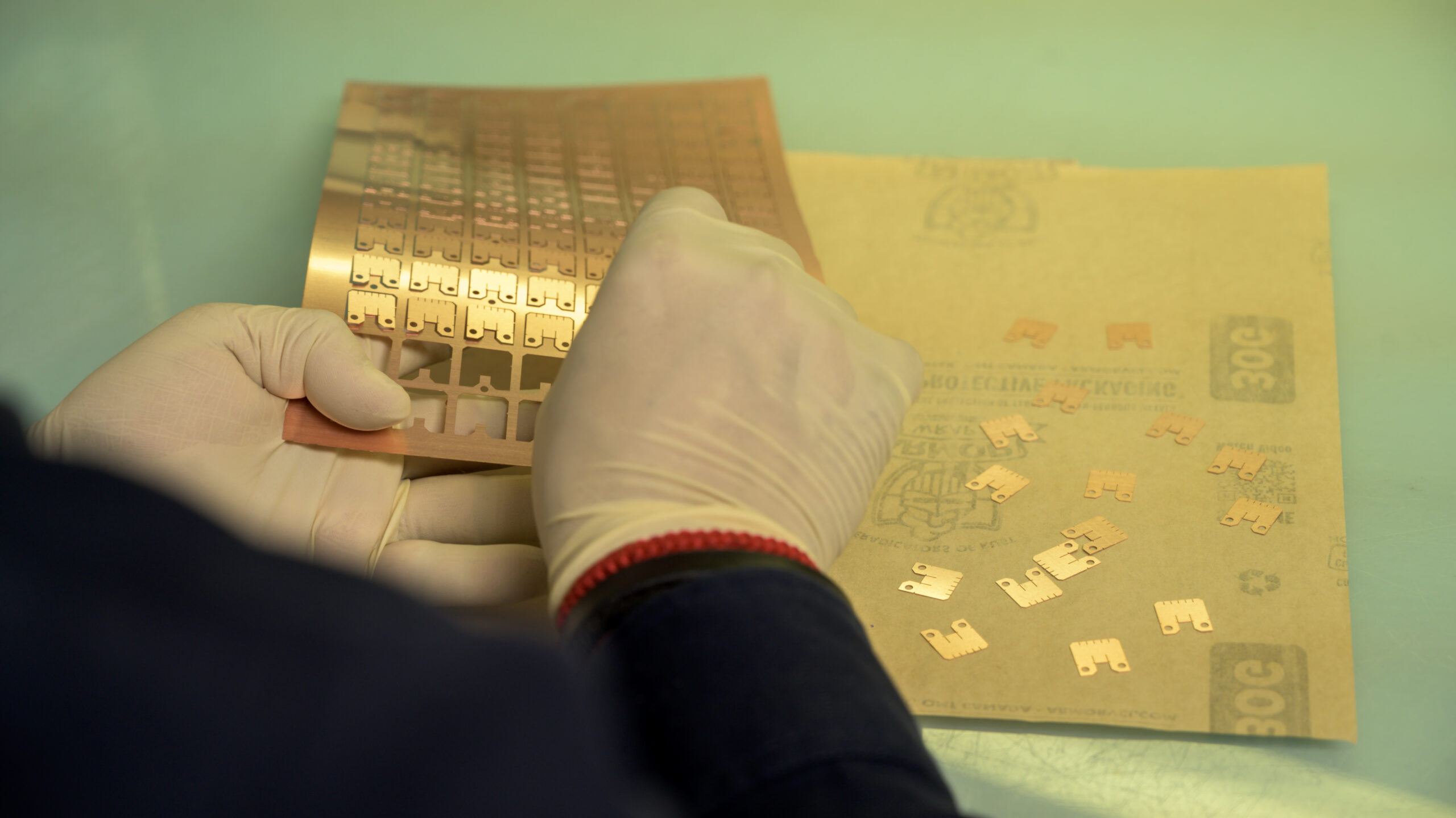
E-Fab proudly produces photochemically etched metal components that are integrated across multiple LEO subsystems. We may not have our footprint on the moon, but we certainly have supported hardware constellations in the space between.
LEO satellites work in interconnected constellations, using advanced inter-satellite links and ground stations to receive data, maintain network coverage, and deliver reliable connectivity. Inter-satellite links, including laser-based connections, allow satellites to communicate directly with each other, ensuring continuous data transmission even when some satellites are out of range of ground stations. Ground stations are essential infrastructure for establishing communication links with LEO satellites, enabling data exchange and supporting the resilience of the satellite network. This interconnected network improves resilience and ensures service continuity even if some satellites fail.
RF and Antenna Components
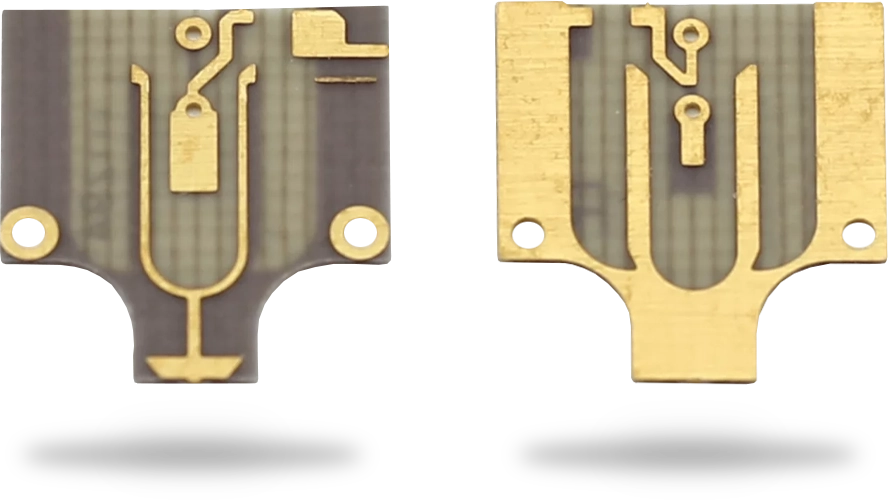
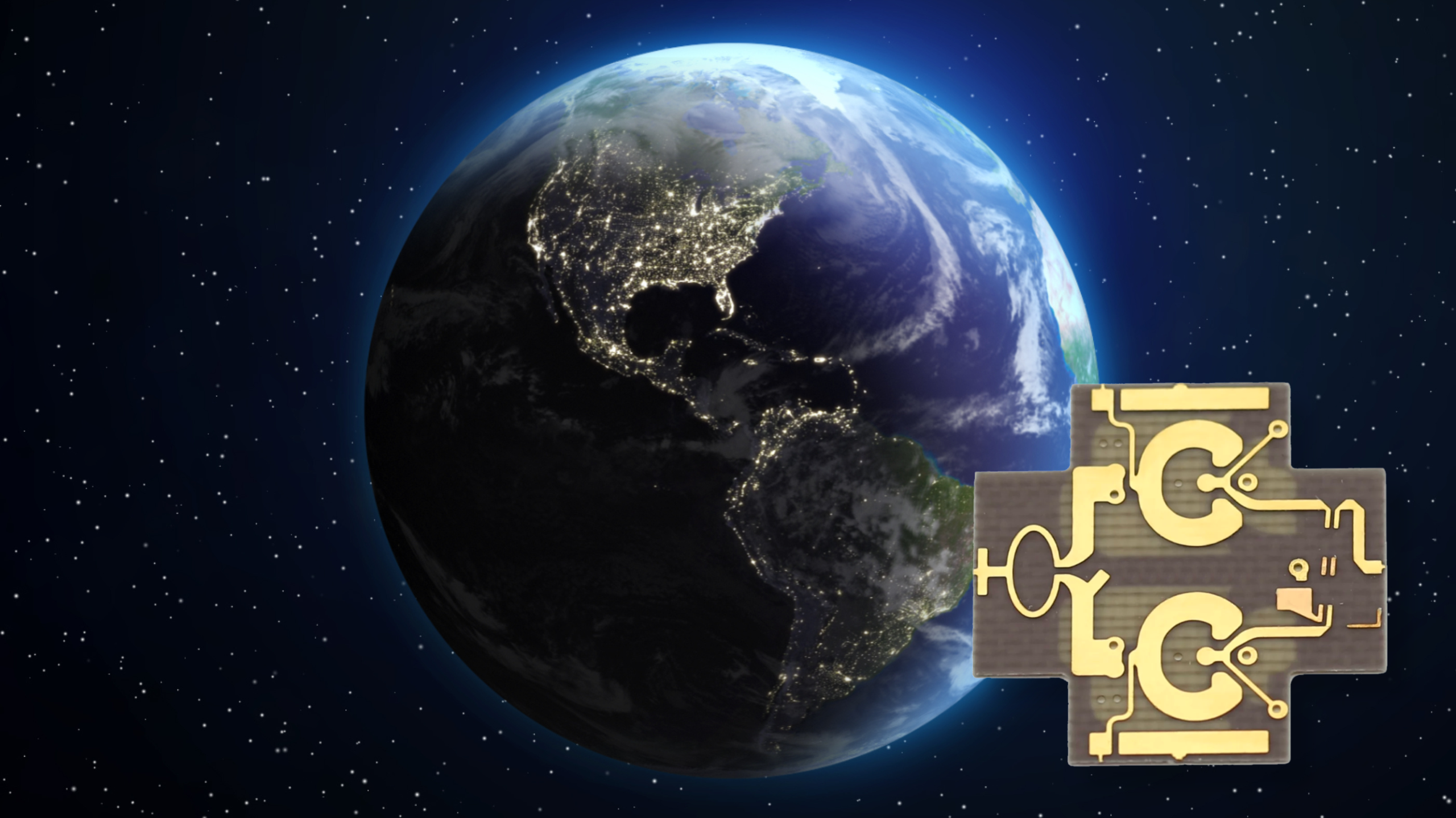
If there is something we know at E-Fab, it's fine-feature conductive elements used in antenna arrays and RF assemblies require tight tolerances and clean edges to maintain electrical performance and alignment integrity, we produce these components daily.
RF and antenna components in LEO satellite systems must operate within regulated spectrum bands. This requires careful coordination among satellite operators, national regulators, and existing operators to ensure spectrum availability and avoid interference. Spectrum use is managed through licensing and allocation processes, with satellite operators working closely with regulatory bodies to comply with international and national standards. New entrants must navigate these licensing and spectrum allocation procedures to deploy their systems effectively and avoid conflicts with established networks.
EMI/RFI Shielding Elements
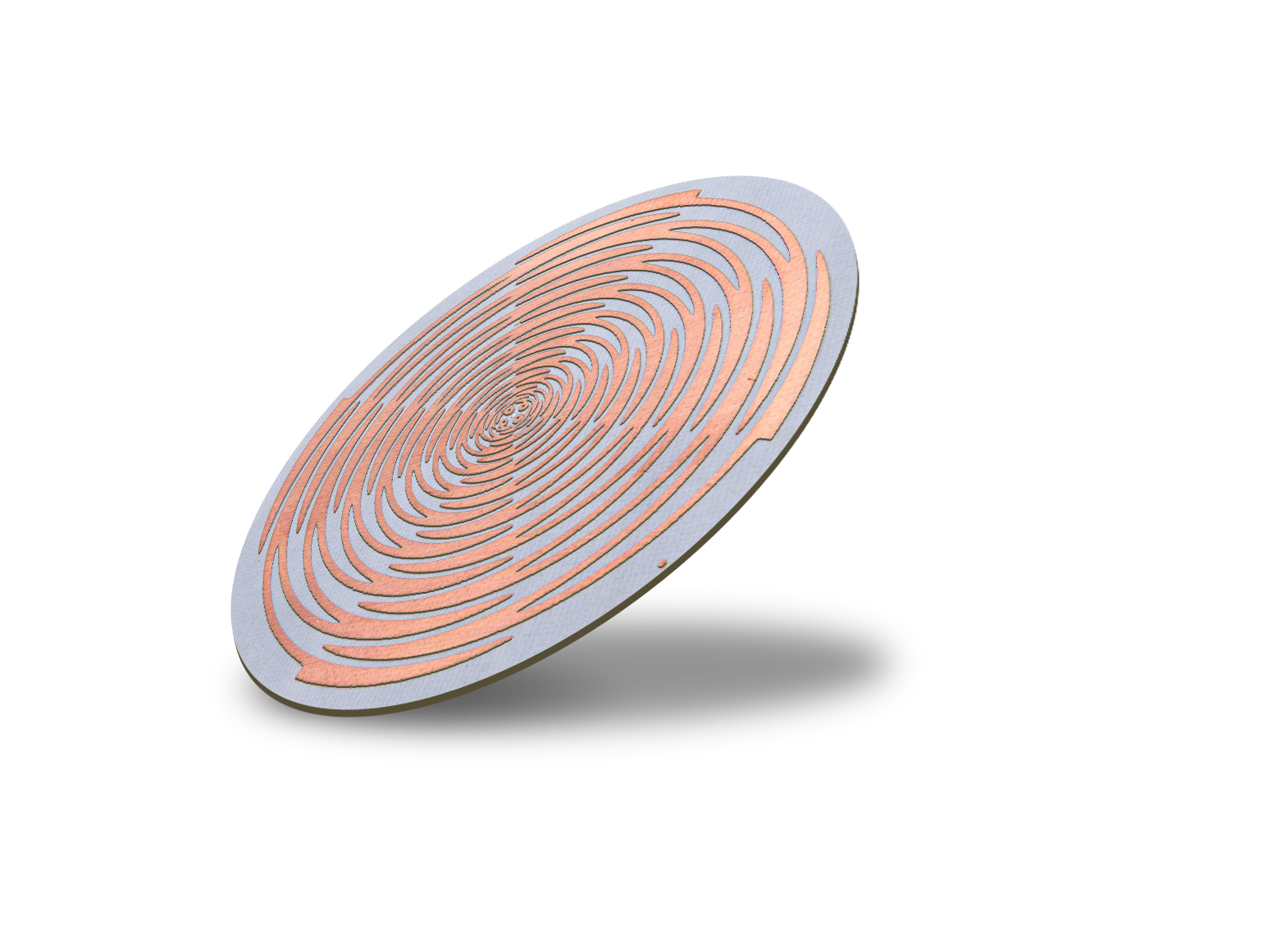
Precision shielding components mitigate interference within compact electronic architectures, protecting sensitive subsystems.
Thermal Management Components
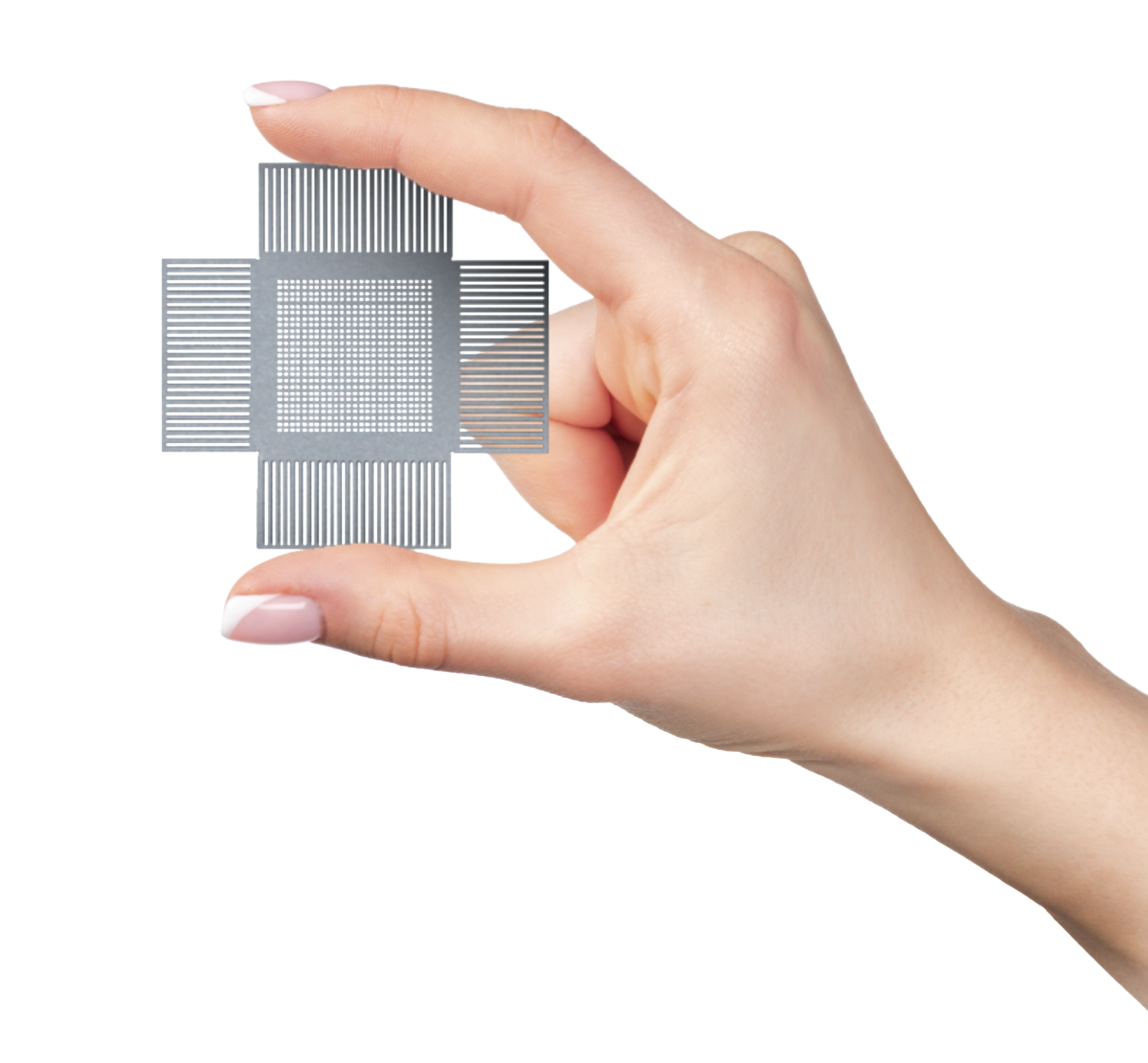
Thin metal parts assist with heat spreading and airflow control, supporting thermal regulation during rapid orbital temperature changes.
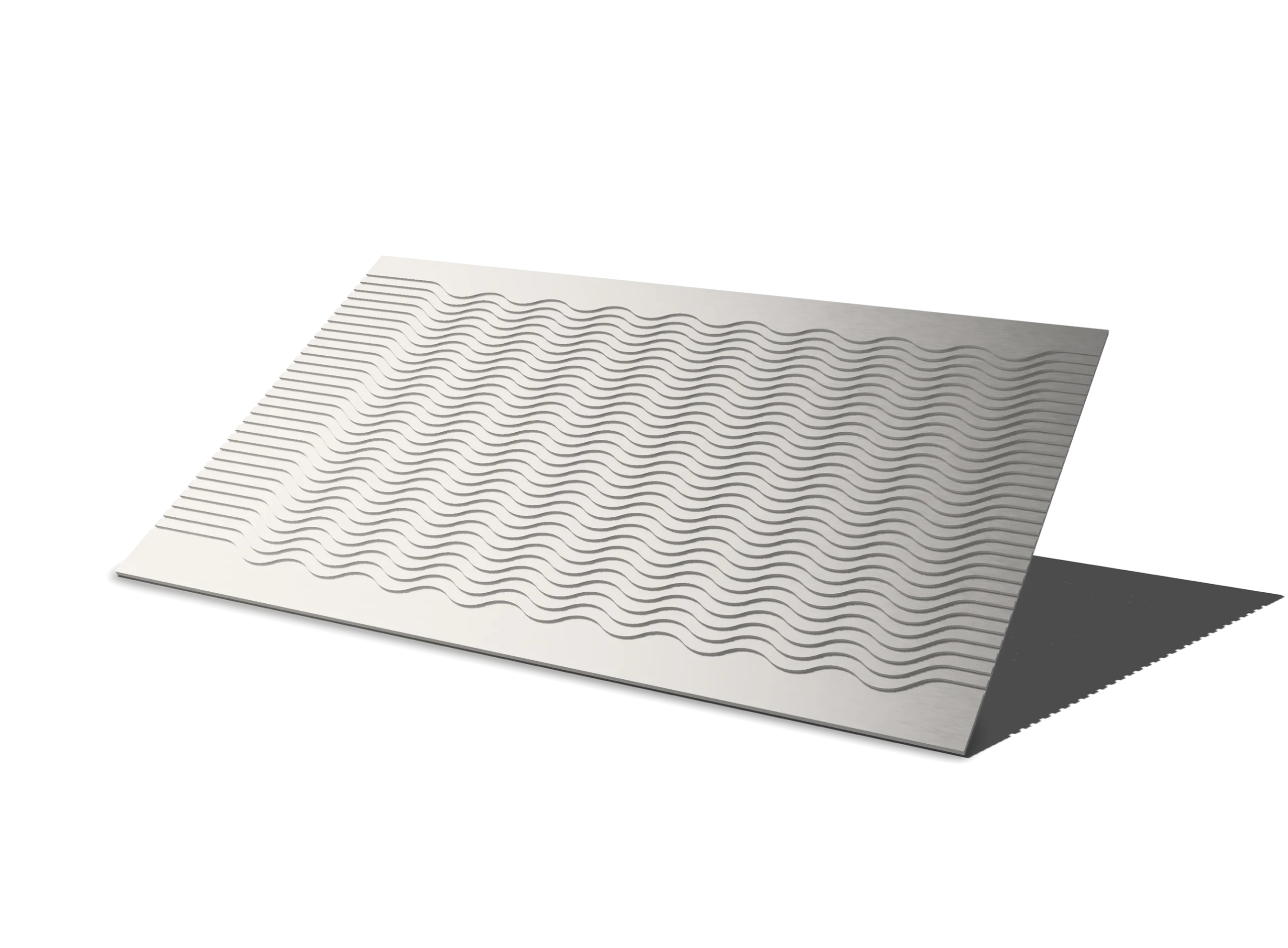
Fine-Feature Meshes and Screens
Etched meshes provide filtration, venting, or electromagnetic functionality while minimizing mass.
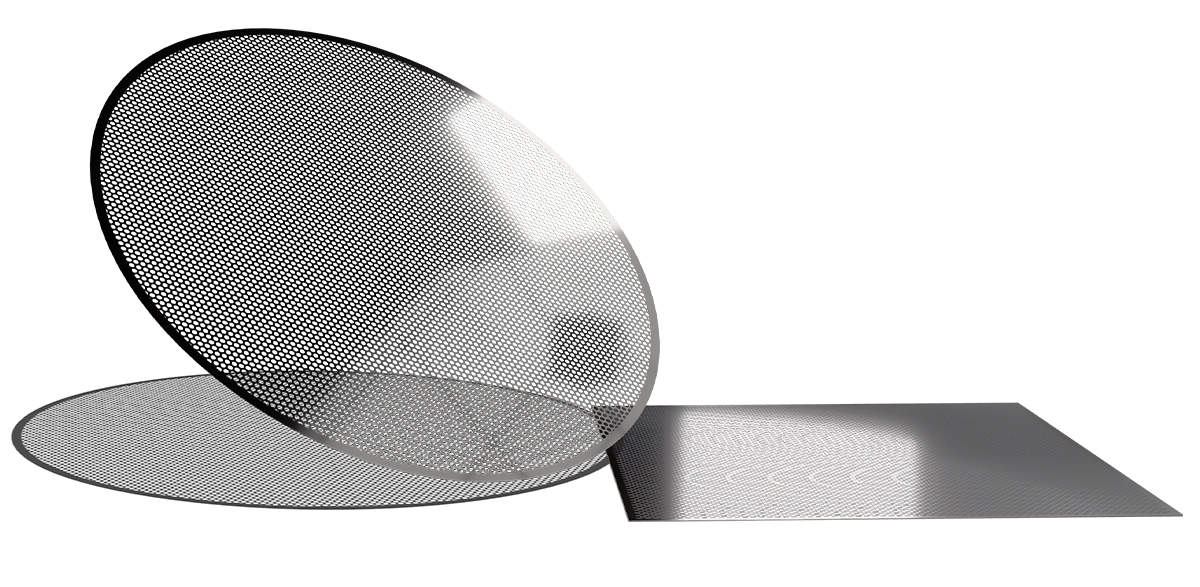
Lightweight Structural Supports
Thin yet dimensionally stable components assist in subsystem alignment and integration without introducing excess weight.

Precision Alignment and Integration Parts
Intricate brackets, spacers, and alignment features enable repeatable subsystem assembly across production runs.
In each application, dimensional accuracy, burr-free edges, and stress-free fabrication directly support subsystem reliability.
Why E-Fab's Photochemical Etching Aligns with LEO Requirements
Photochemical etching is inherently suited to the demands of modern LEO satellite production. Our experts at E-Fab, from material selection to manufacturing process, understand what will work best for your application.
Burr-Free Fabrication
Chemical etching produces clean edges without mechanical deformation, reducing assembly risk in high-density systems.
No Heat-Affected Zones
The process avoids thermal distortion, preserving material properties and dimensional stability.
Tight Tolerances in Thin Metals
Etching enables precise geometries in lightweight materials commonly used in aerospace systems.
Complex Geometries Without Mechanical Stress
Intricate patterns and fine features are produced without introducing forming stresses that could compromise performance.
Dimensional Consistency Across Production Runs
Process control ensures repeatability across batches, essential for constellation deployment.
Cost-Effective Scalability
Photochemical etching scales efficiently from early design validation to sustained production volumes.
For LEO satellite manufacturers transitioning from development to full-rate production, repeatability and process stability are critical.
Materials Used in LEO Satellite Components
Material performance directly impacts electrical functionality, structural integrity, and environmental resilience in orbit.
E-Fab works with aerospace-aligned metals, including:
Stainless Steel
Corrosion-resistant, dimensionally stable, and suitable for structural and shielding applications.
(See Stainless Steel Materials Page)
Copper and Copper Alloys
High electrical conductivity for RF components and grounding elements.
(See Copper Materials Page)

Nickel Alloys
High electrical conductivity for RF components and grounding elements.
(See Copper Materials Page)
High-Performance Specialty Metals
Selected for strength-to-weight ratio, thermal behavior, or specific electromagnetic properties.
Material selection is aligned with subsystem function, electrical requirements, and mechanical constraints within LEO platforms.
Supporting the Next Generation of LEO Systems
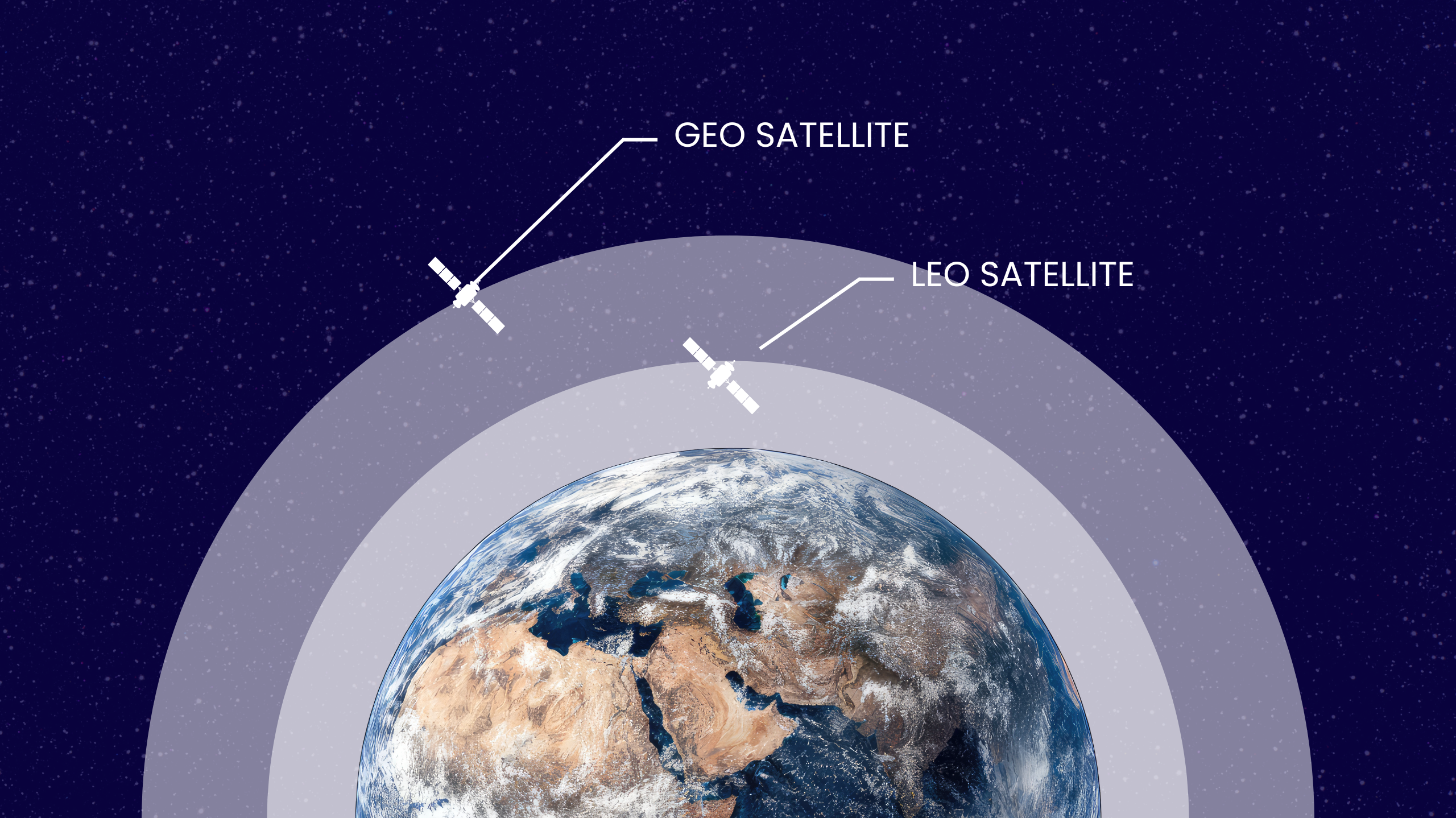
The satellite industry is entering a new era, marked by the transition from traditional geostationary orbit (GEO) and other higher orbits to the deployment of large low Earth orbit (LEO) satellite constellations. This shift is driven by the integration of non-terrestrial networks (NTNs) with 5G technology, enabling advanced satellite communications and expanding global connectivity. The introduction of 3GPP 5G wireless technology in Release 17 has made it possible to adapt 5G systems for non-terrestrial networks, further propelling satellite market growth. Regulatory bodies like the FCC have recognized the importance of allowing all technologies, including LEO satellites, to participate in broadband deployment programs, supporting the rapid expansion of the sector.
LEO satellites are now widely used for telecommunications, Earth observation, and scientific research. Notable examples include the International Space Station, which operates in low Earth orbit as a hub for scientific research, and commercial constellations like SpaceX's Starlink. The number of commercial LEO satellite constellations is expected to double by 2029, primarily for communications applications. These constellations enable rapid, repeated imaging of the same location, and their high-resolution imaging capabilities benefit agriculture, urban planning, and environmental monitoring.
As the industry evolves, from individual spacecraft to networked constellations, component suppliers must align with high-volume precision manufacturing.
E-Fab provides etched metal components engineered for:
• Lightweight satellite architectures
• High-density RF integration
• Thermal cycling resilience
• Repeatable subsystem assembly
• Scalable aerospace production
Request Engineering Support
Ready to evaluate your LEO satellite component requirements?
Submit drawings or specifications for review by our engineering team.
Discuss tolerances, materials, and production scaling for your satellite subsystem application.
E-Fab supports aerospace manufacturers with precision etched components designed for modern Low Earth Orbit systems, today's parts for tomorrow's launch.