
Printed Circuit Heat Exchangers (PCHEs) achieve exceptional thermal performance by stacking thin, chemically etched metal plates and diffusion-bonding them into a solid-state structure. At the heart of every PCHE are micro-etched flow channels—geometries that directly determine pressure drop, heat transfer, and long-term reliability. The use of small channels is a key factor in achieving high performance and pressure tolerance, especially in demanding applications.
E-Fab manufactures the precision-etched metal plates that define PCHE performance. These are individual plates that are manufactured to exacting standards before being stacked and bonded. With tight control over channel dimensions, exceptional flatness, and consistent material preparation, E-Fab enables engineers and OEMs to build efficient, compact heat exchangers capable of operating under extreme temperatures and pressures.
E-Fab’s photochemical etching process delivers the accuracy, repeatability, and surface quality required for reliable diffusion bonding and uniform flow distribution across every plate. This process relies on a controlled chemical reaction to selectively dissolve material and create precise channel patterns.
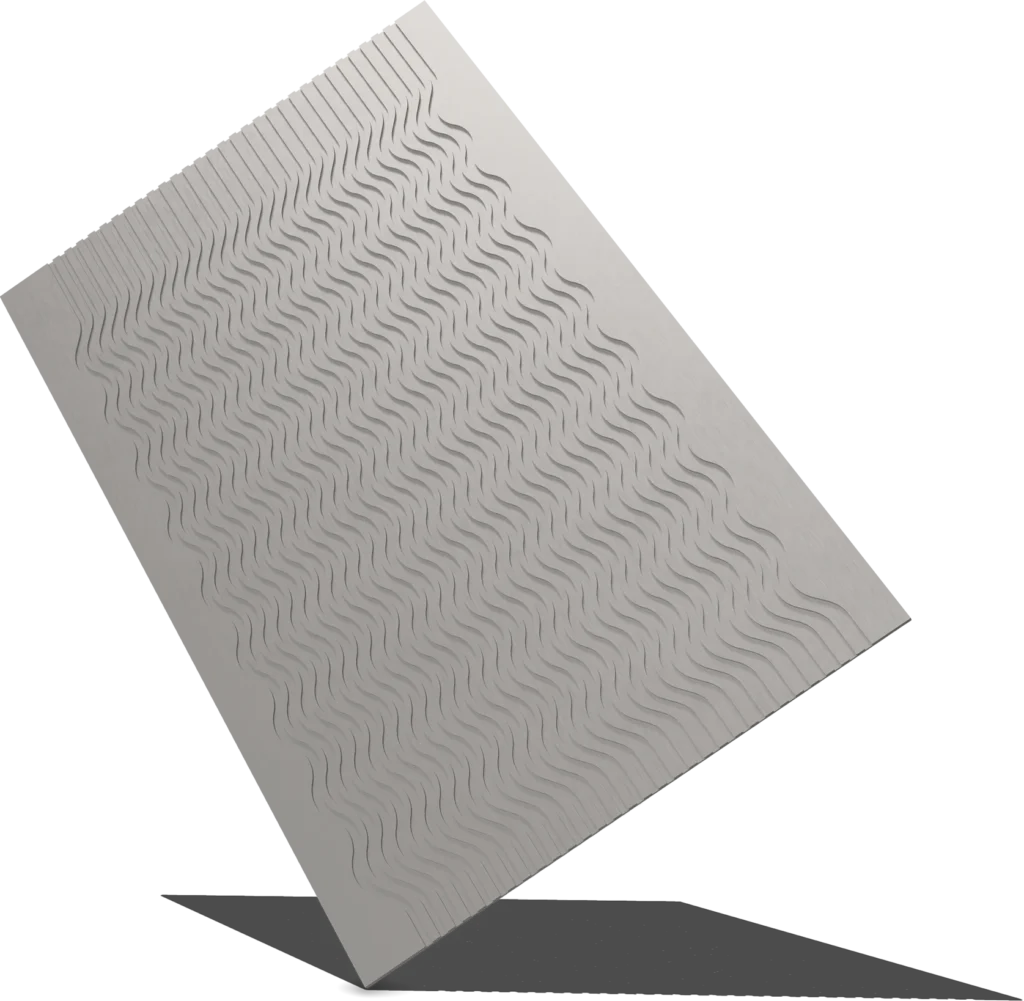
PCHEs use a network of microchannels chemically etched into metal plates (making them a type of circuit heat exchanger). These plates are stacked and diffusion-bonded, creating a monolithic metal block with no gaskets, welds, or mechanical joints. The result is a compact heat exchanger with:
In standard applications, PCHEs typically achieve high pressure ratings, operate at elevated temperatures, and are used in demanding environments such as CSP plants and other renewable energy systems.
By customizing the configuration of channel geometries and flow circuits, engineers can create optimized pressure drop, turbulence, and thermal performance for applications ranging from power systems to next-generation energy technologies.
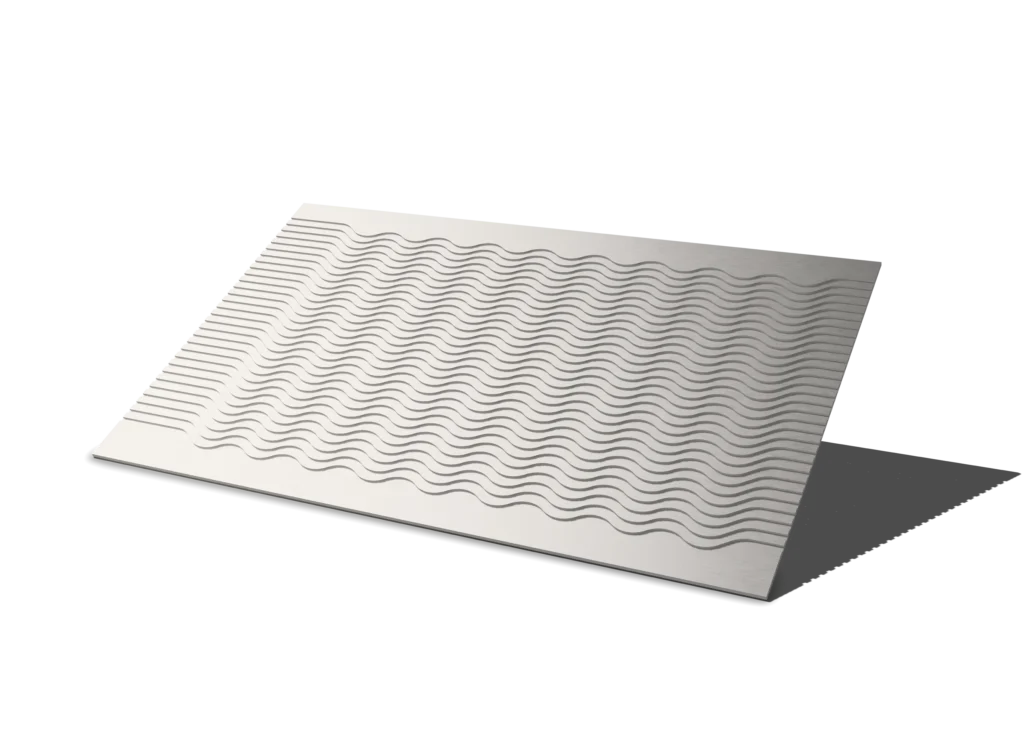
PCHE channel geometry is only as accurate as the process used to create it. The precision and repeatability of photochemical etching (PCE) can lead to improved manufacturing efficiency and enhanced product performance. Photochemical etching (PCE) provides significant advantages over mechanical machining, laser cutting, or EDM—especially for microchannel arrays requiring consistency across large plate areas.
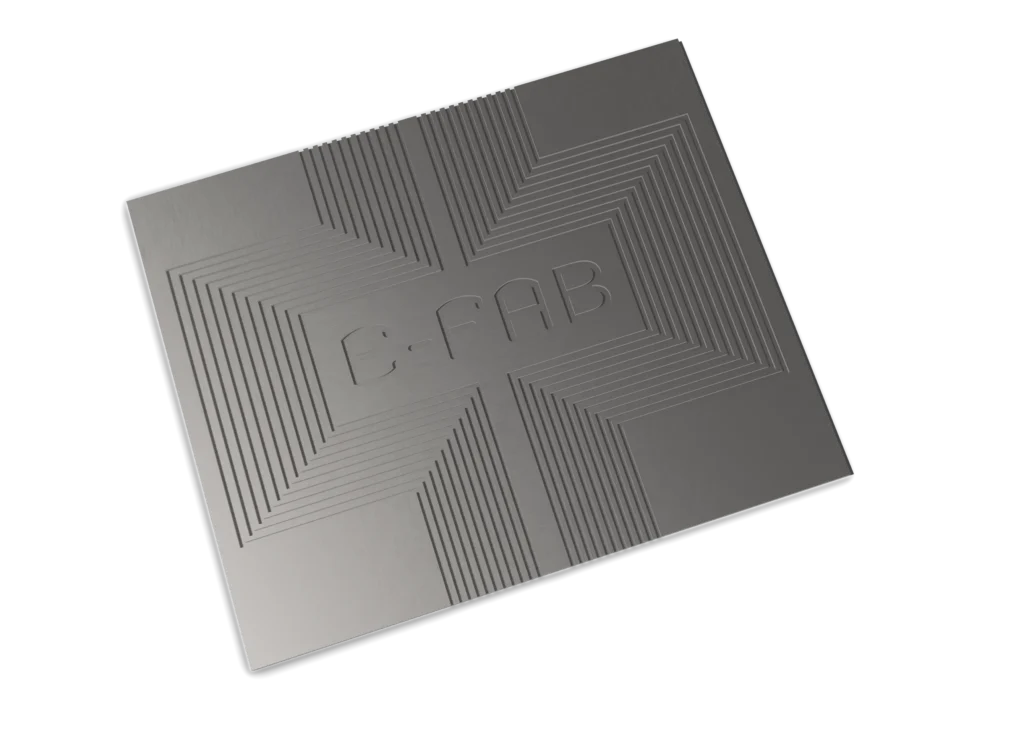
Unlike machining—which can induce stress, leave burrs, or distort thin materials—E-Fab’s etching process preserves material properties and supports high repeatability in production.
PCHE performance depends heavily on selecting the right alloy and controlling its etched features. Corrosion resistance is a primary consideration when choosing materials for PCHE plate manufacturing, as it ensures durability and protection in corrosive environments. E-Fab specializes in etching high-performance metals commonly used in demanding thermal environments:
Corrosion-resistant and strong, ideal for general-purpose PCHEs.
High temperature and pressure capability; commonly used in energy, aerospace, and advanced thermal systems.
Excellent resistance to aggressive fluids and high-stress operating conditions.
Lightweight and corrosion-resistant, suitable for sensitive or weight-critical environments.
E-Fab’s etch chemistries are tuned to each alloy, enabling consistent wall thickness, precise microchannels, and clean surfaces prepared for diffusion bonding. This material control ensures predictable thermal and mechanical behavior in service.
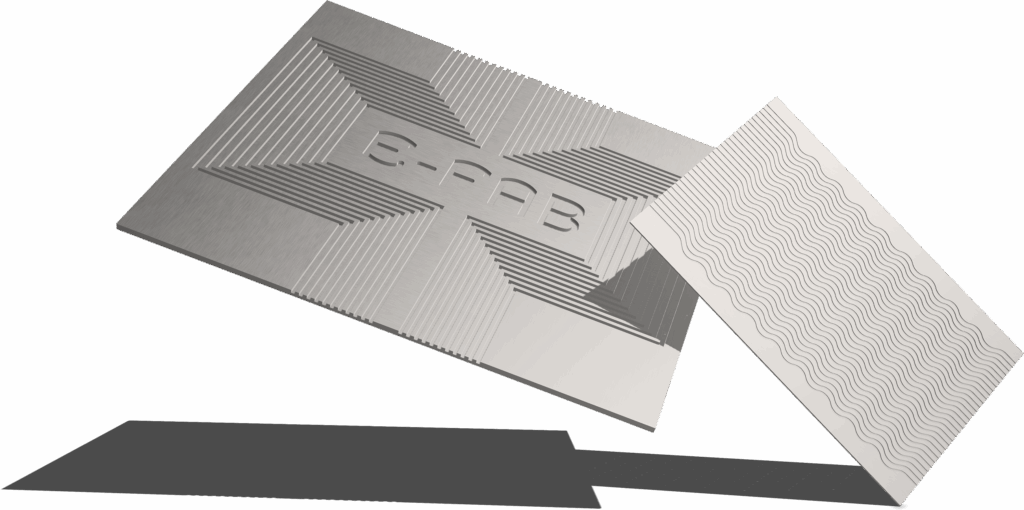
E-Fab works closely with design engineers, mechanical teams, and OEMs to develop PCHE plates that meet both performance targets and manufacturability requirements.
This partnership-based approach helps engineers validate concepts quickly and transition into scalable manufacturing with confidence.
Choosing E-Fab for PCHE plate production delivers advantages that directly improve heat exchanger performance:
PCHEs are key components in advanced energy systems, such as concentrated solar power plants. They are often used as the primary heat exchanger in high-temperature applications, transferring heat from thermal storage media. Compared to traditional shell-and-tube or shell-and-coil heat exchangers, PCHEs offer significant reductions in size and weight while improving efficiency. PCHEs are also used in applications involving liquid hydrogen, where efficient heat transfer is critical for refuelling and system performance. Additionally, PCHEs are compatible with advanced heat transfer media such as molten salt, which is used in next-generation thermal energy storage systems.
E-Fab’s longstanding expertise in precision metal etching makes it a trusted manufacturing partner for advanced heat exchanger development.
E-Fab is ready to support your next heat exchanger project—whether you’re refining channel geometry, exploring new materials, or scaling production.
Contact our engineering team to discuss your PCHE design, request a prototype, or begin developing your next generation of compact heat exchangers.