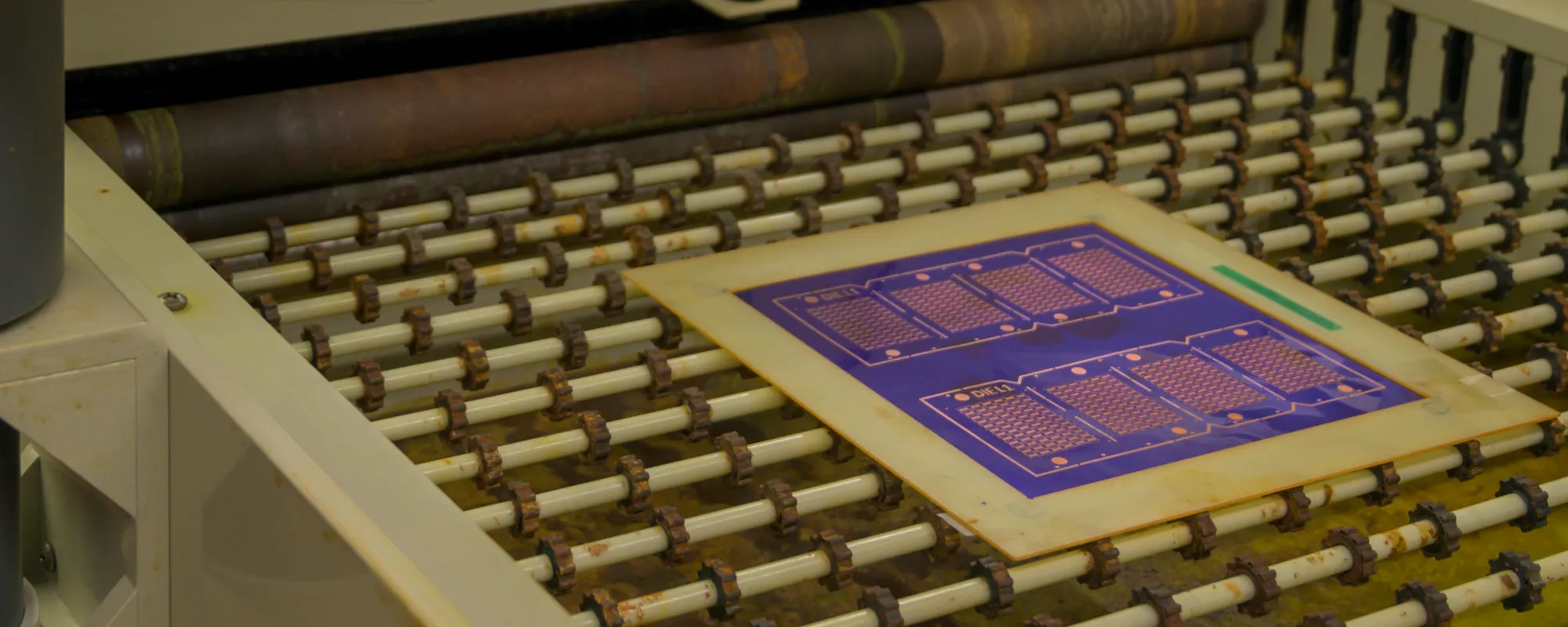
Photochemical Etching vs. CNC Machining: A Comprehensive Comparison
In the world of precision metal manufacturing, Photochemical Etching (PCE) and CNC Machining are two widely used techniques. While both methods offer unique advantages, PCE

In the world of precision metal manufacturing, Photochemical Etching (PCE) and CNC Machining are two widely used techniques. While both methods offer unique advantages, PCE
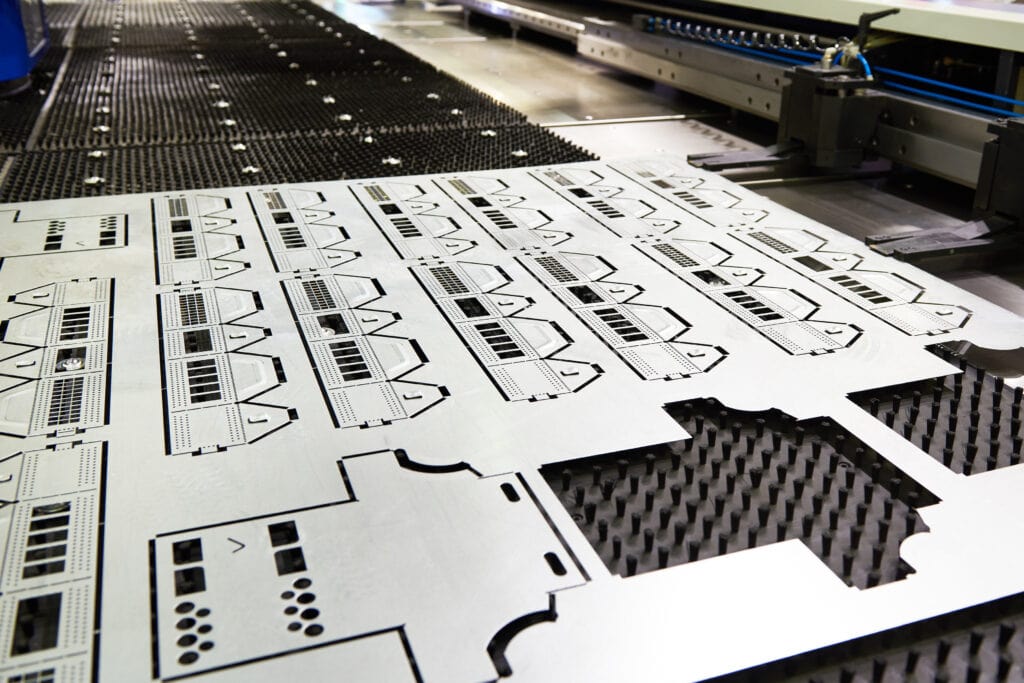
E-Fab is dedicated to providing our clients with best-in-class services and sharing our accumulated knowledge of manufacturing excellence throughout every project we are involved with.
Tungsten is a refractory metal known for its exceptional properties, including the highest melting point of any metal (3422°C / 6191°F), superior strength, and high
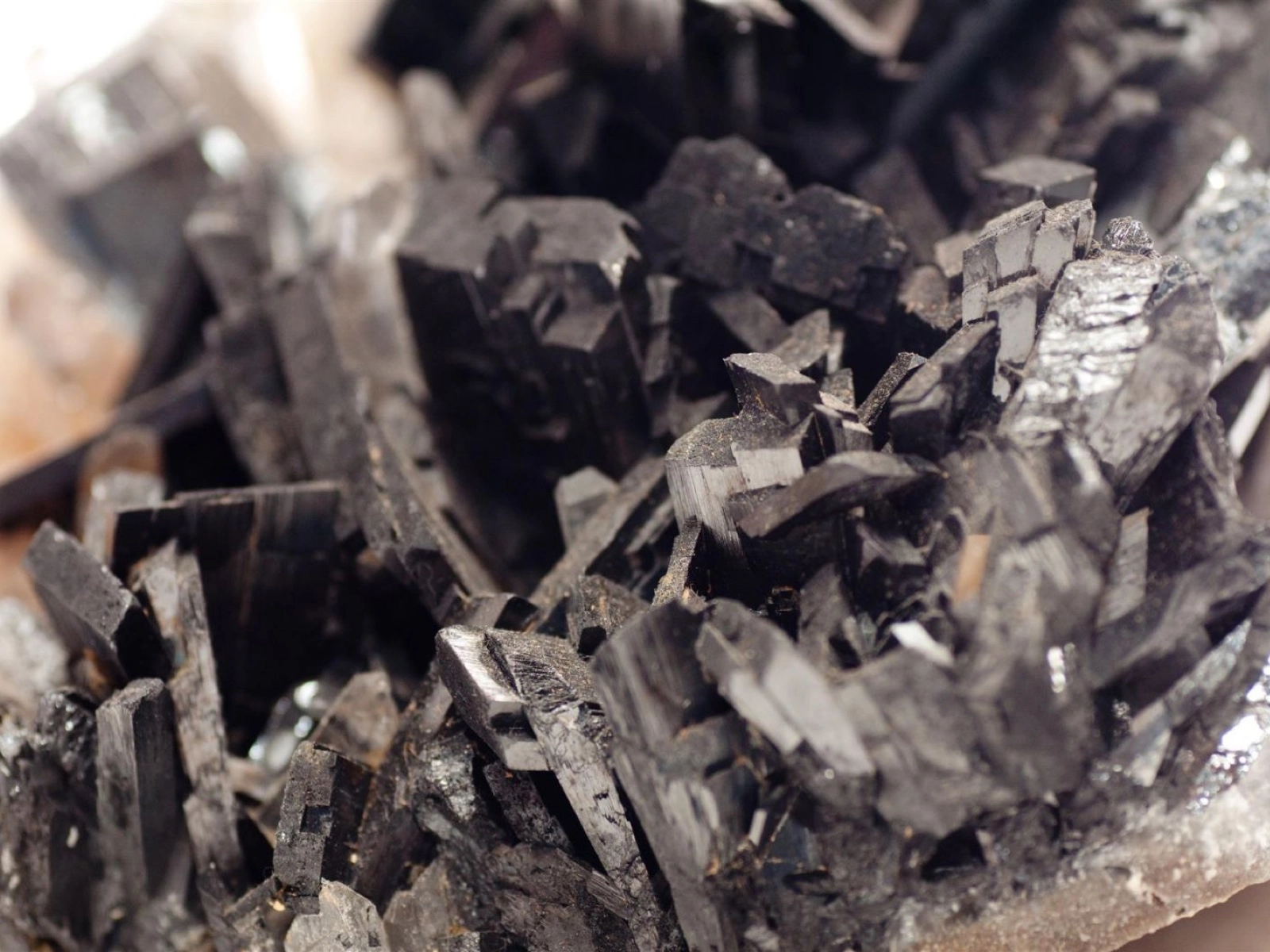
We’ve Mastered the Use of Tungsten for Precision Parts Why Tungsten? Tungsten is a refractory metal known for its exceptional properties, including the highest melting
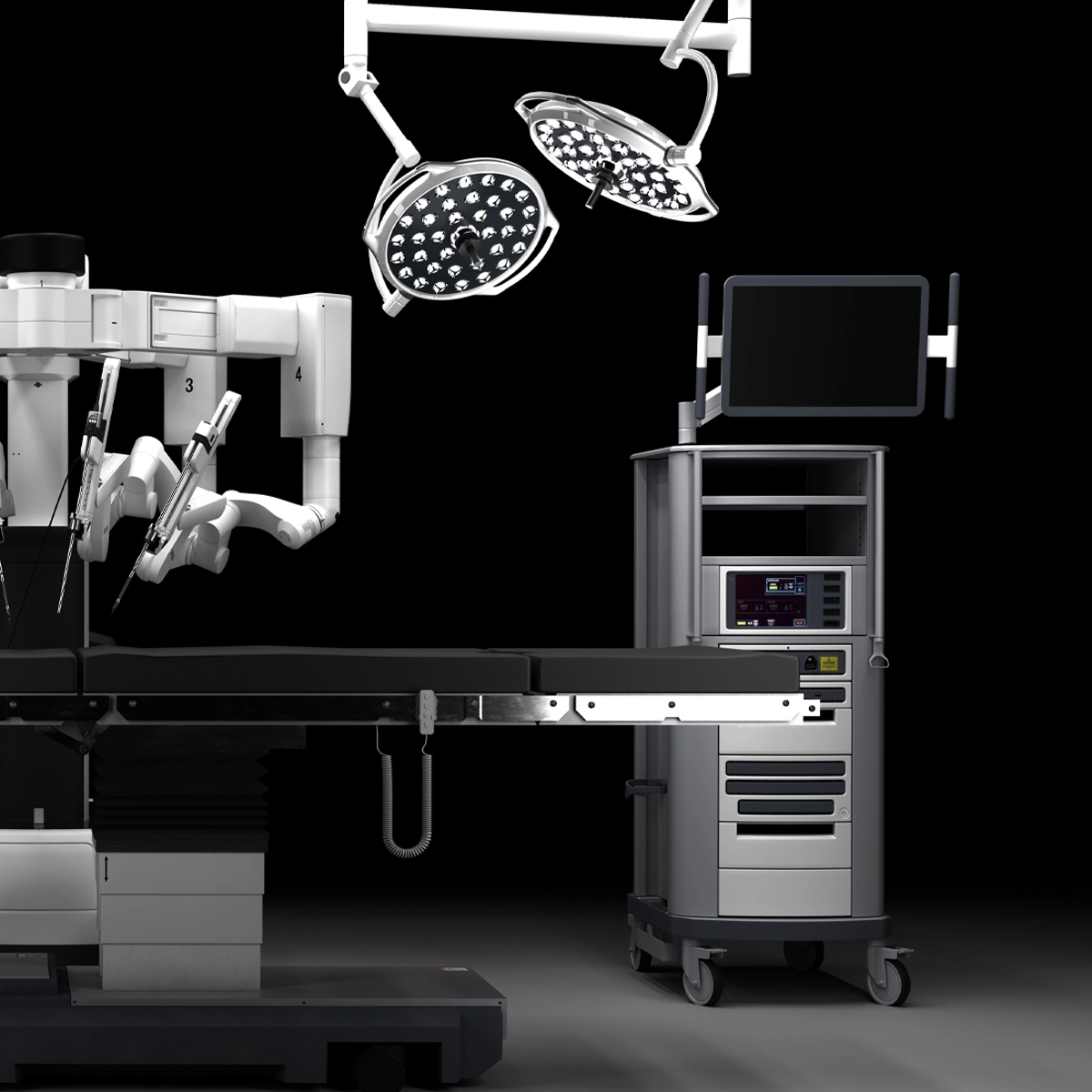
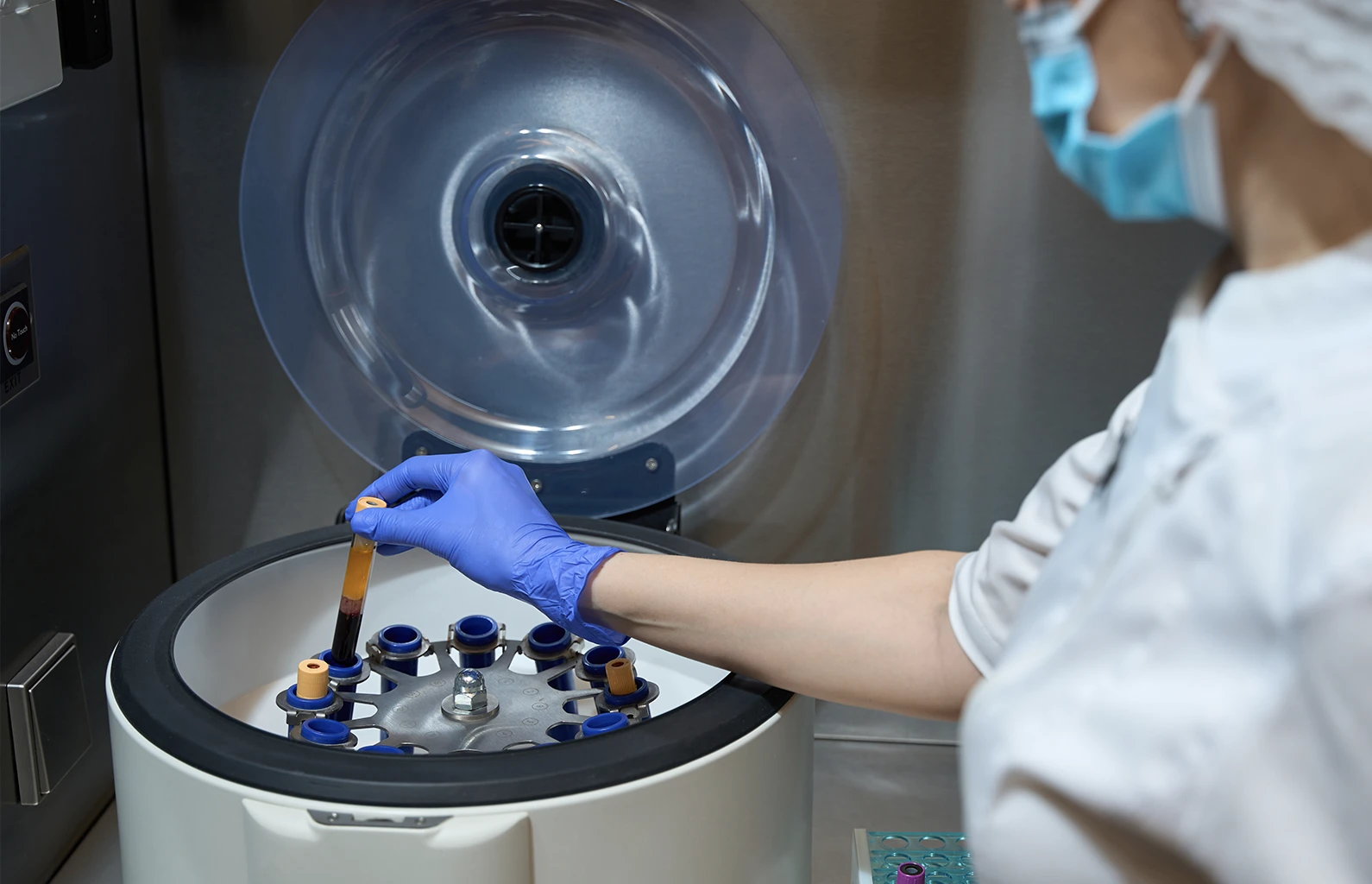
The quality of components in surgical devices directly impacts patient outcomes, so it’s critical to deliver the highest levels of precision during the manufacturing process.
In this article, we explore the critical role of biocompatibility in implantable devices, why PCE is the superior process, and E-Fab’s expertise in precision medical device manufacturing.
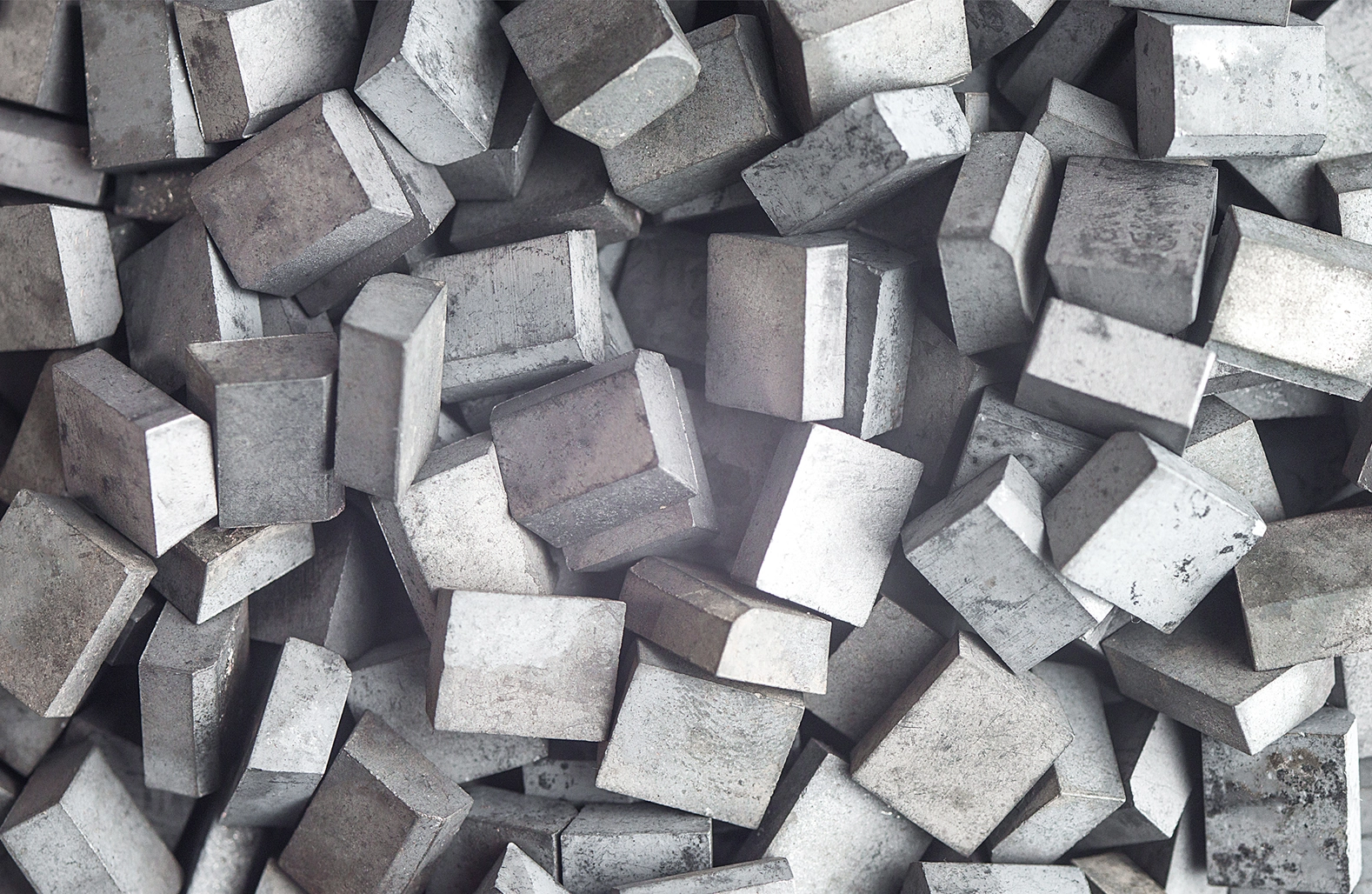
Photochemical etching has emerged as a highly effective process for creating intricate and high-precision components from a wide range of metals. Renowned for its exceptional
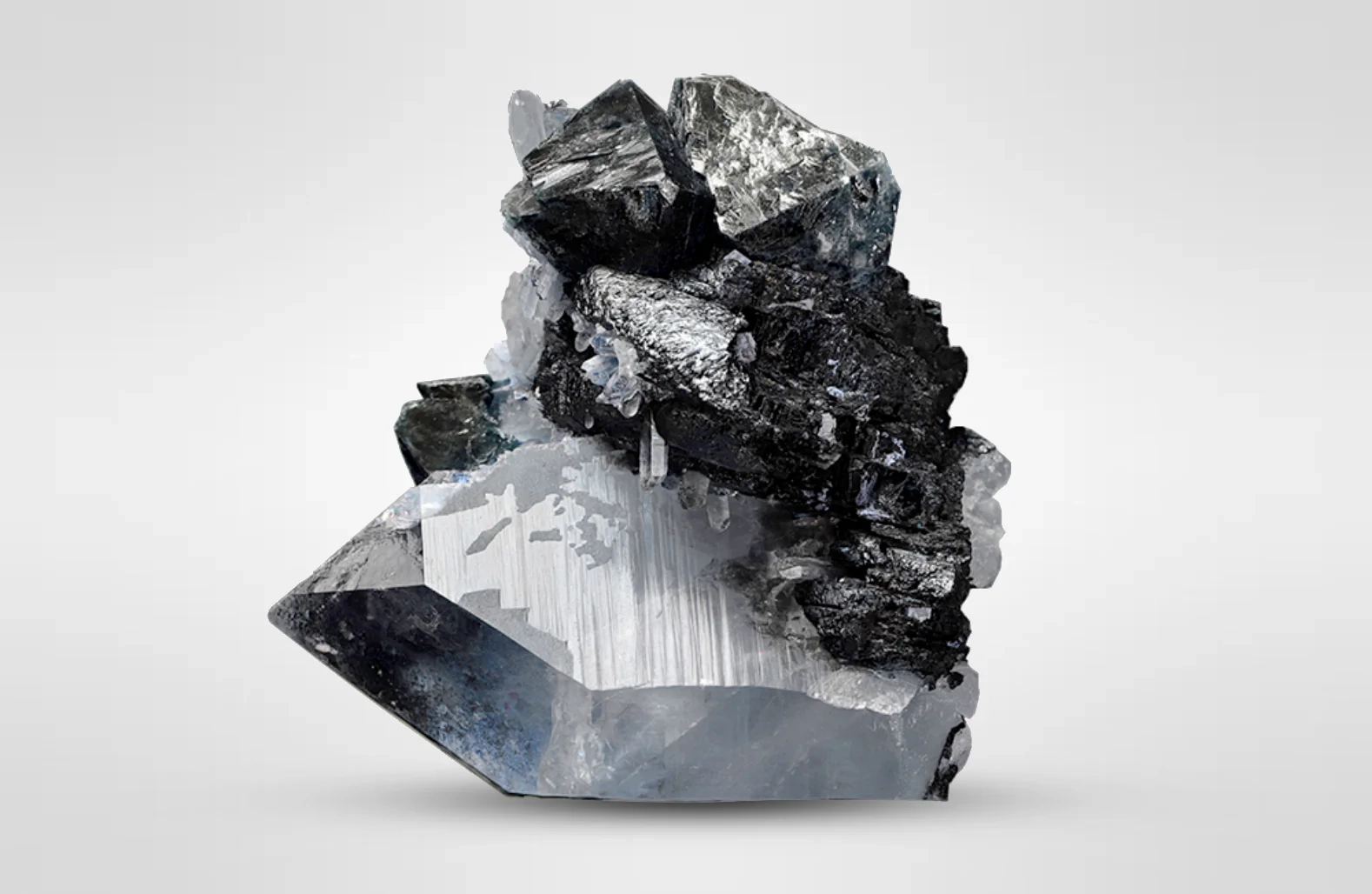
Choosing the right material is crucial to the quality and durability of every precision-manufactured product. For industries and applications that require strength and stability at
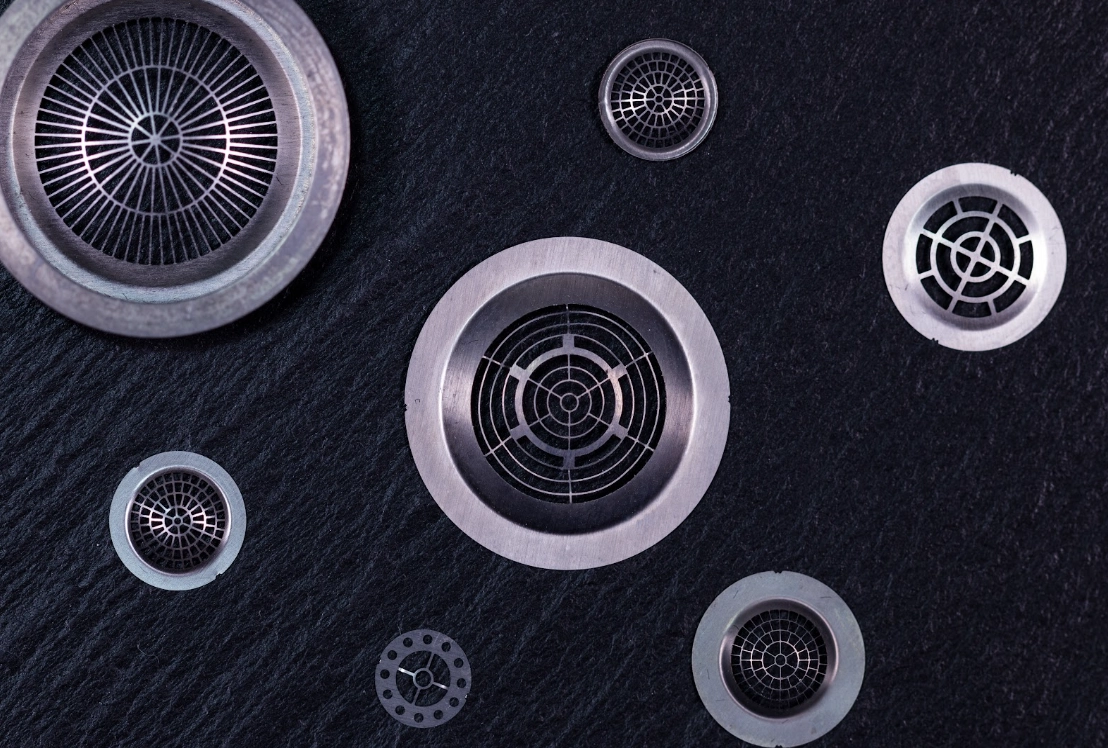
Known as a remarkable refractory metal, molybdenum has quickly become a powerful and popular choice for precision manufacturing. But why is that? The secret lies
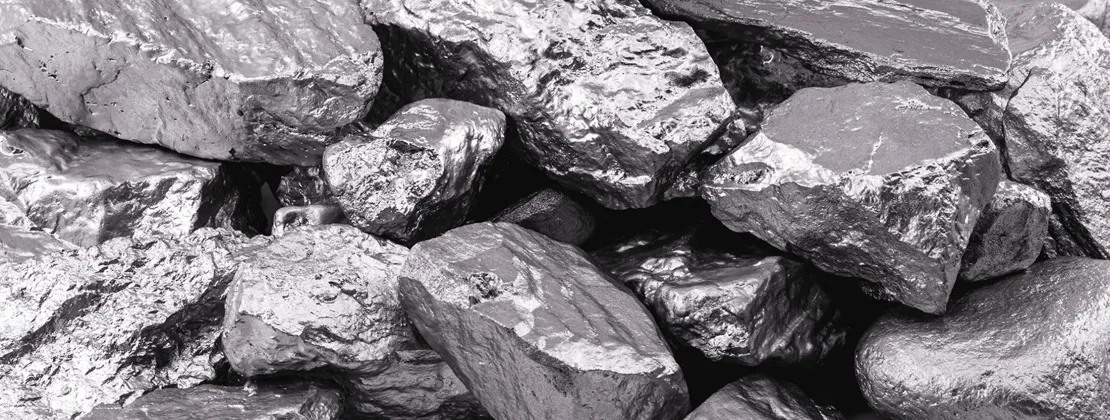
In this article, we look at what makes PCE and molybdenum such a powerful combination, the key applications of chemically-etched molybdenum, and what makes E-Fab