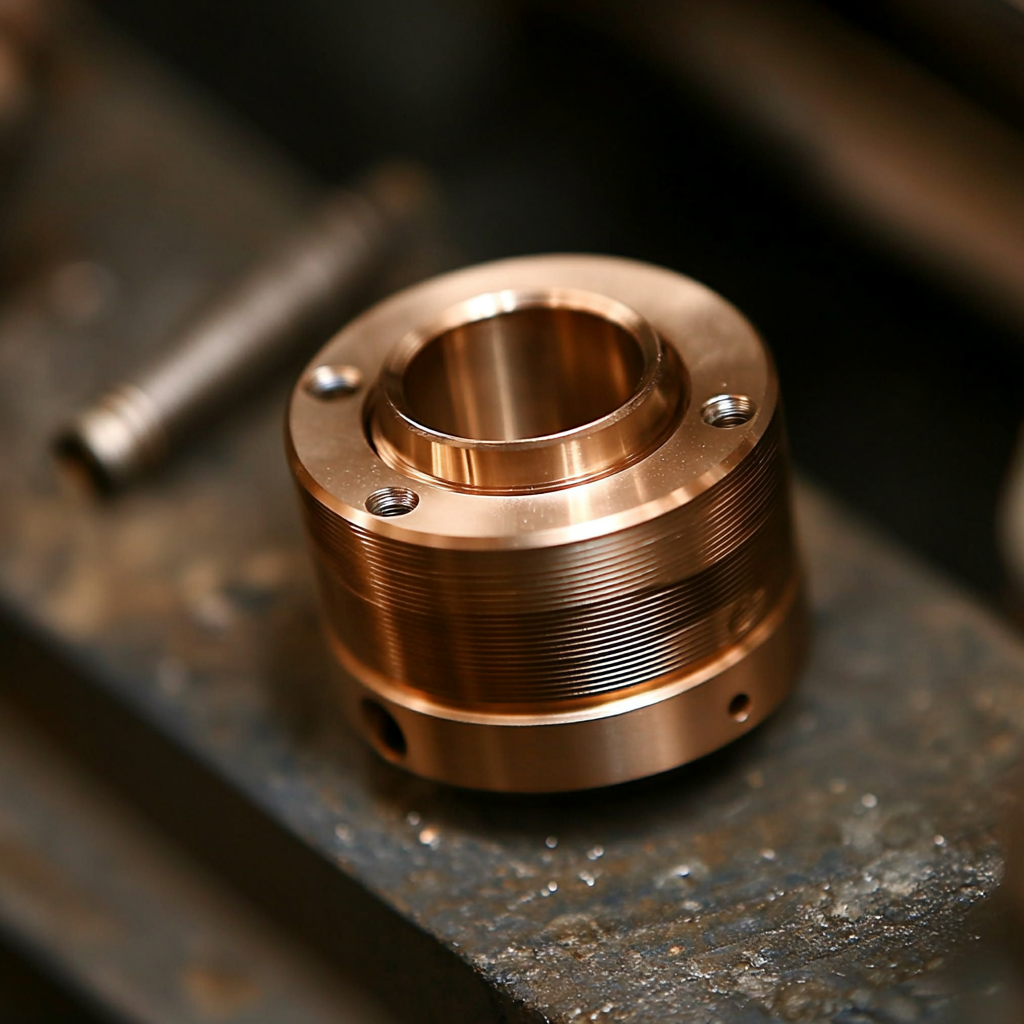
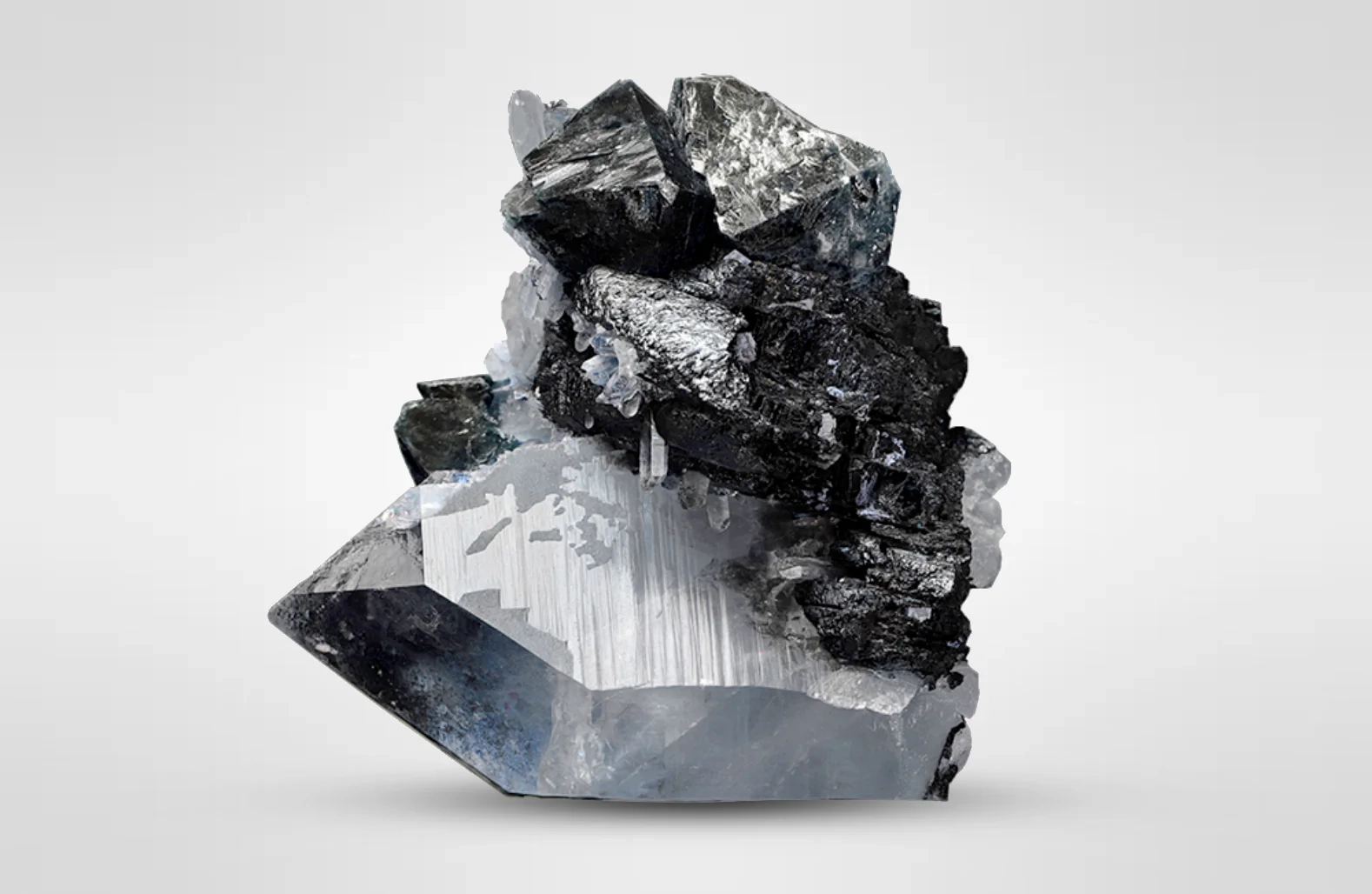
What are the benefits of using Molybdenum in precision manufacturing?


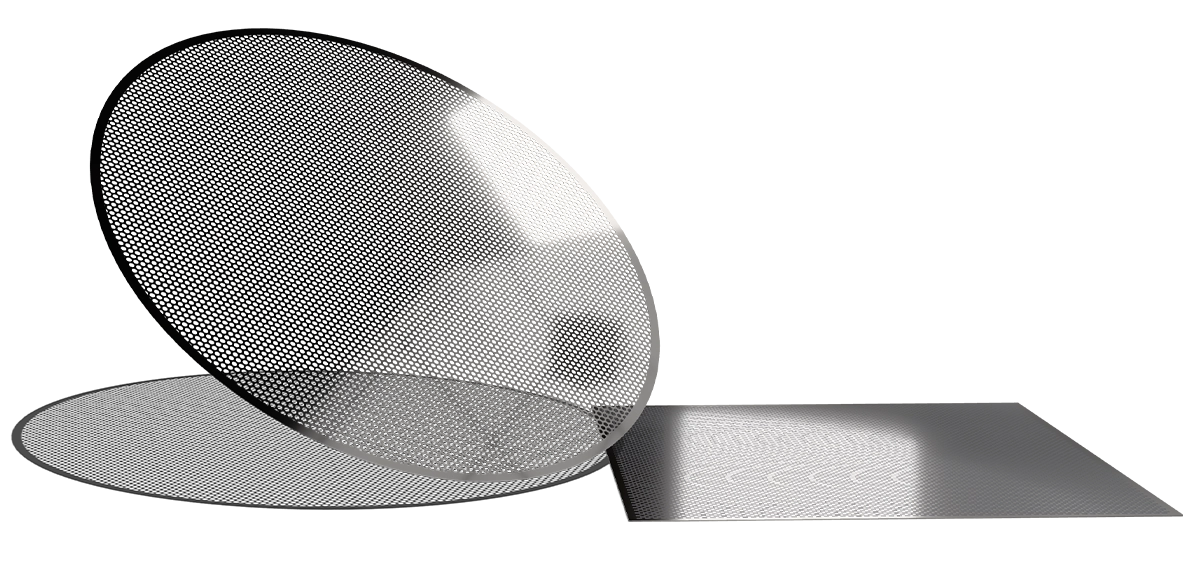
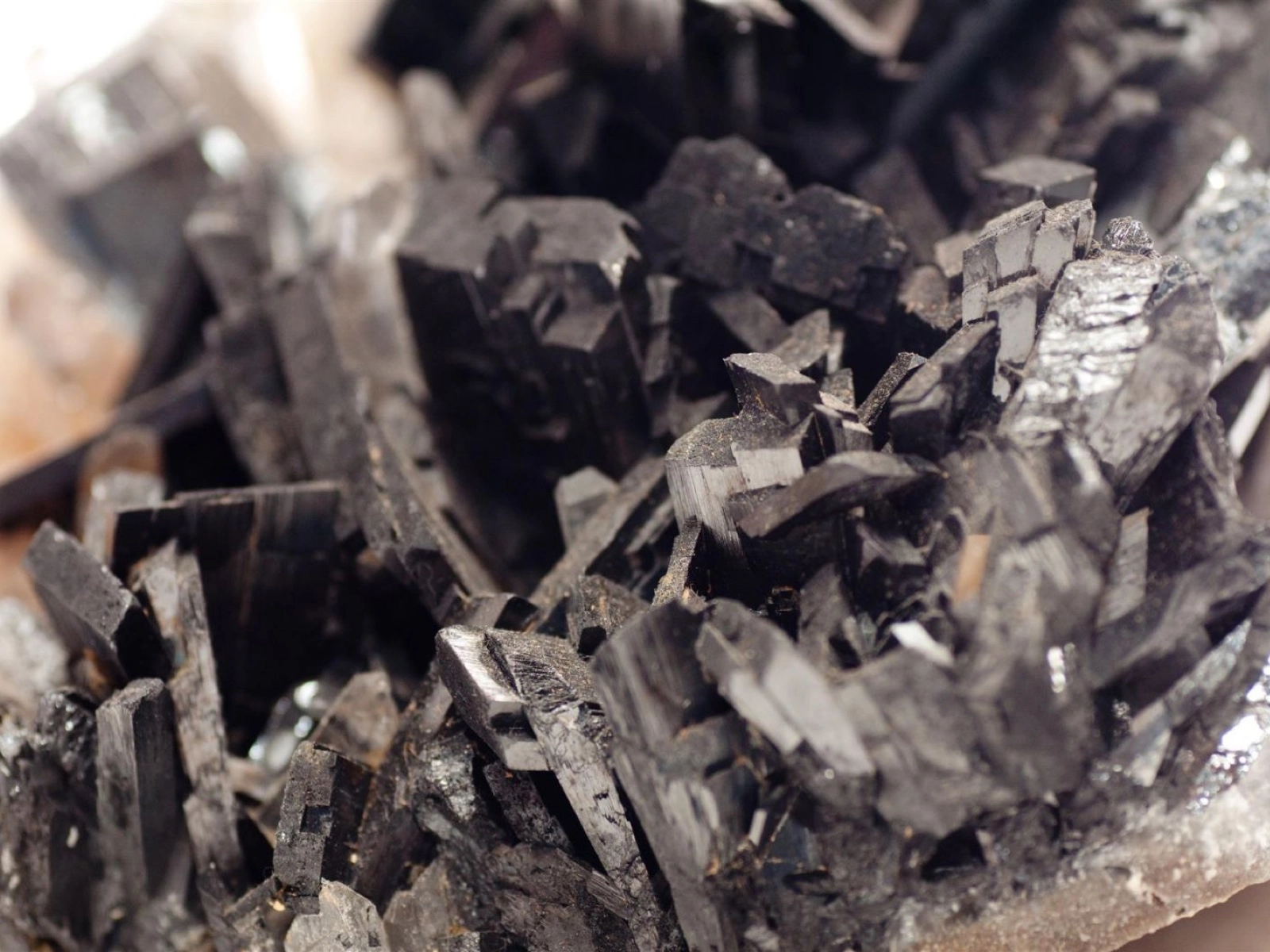
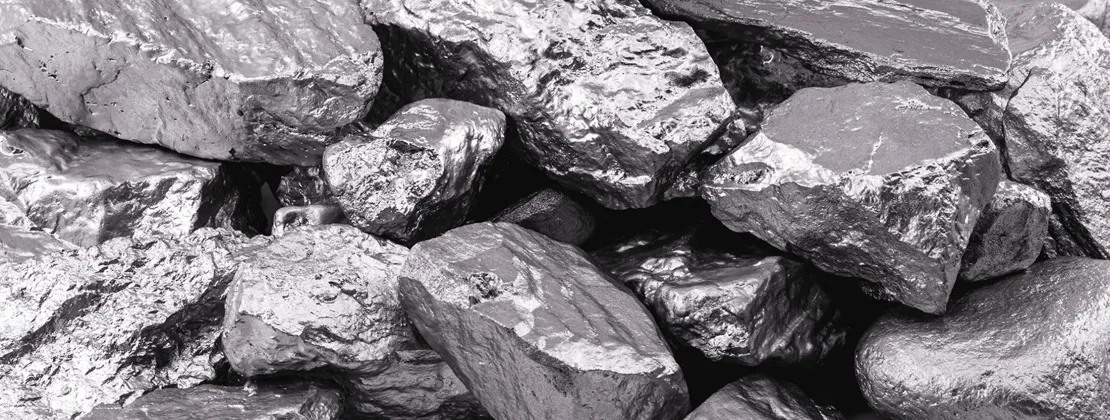
Known as a remarkable refractory metal, molybdenum has quickly become a powerful and popular choice for precision manufacturing. But why is that? The secret lies in its superior properties. Boasting a unique combination of high melting point, exceptional strength, excellent thermal and electrical conductivity, and corrosion resistance, molybdenum offers enhanced performance, durability, and reliability for components in critical applications across various industries. Its low coefficient of thermal expansion, high elastic modulus, and high melting point make it particularly suitable for

Read More >

Common use cases for PCE of Molybdenum

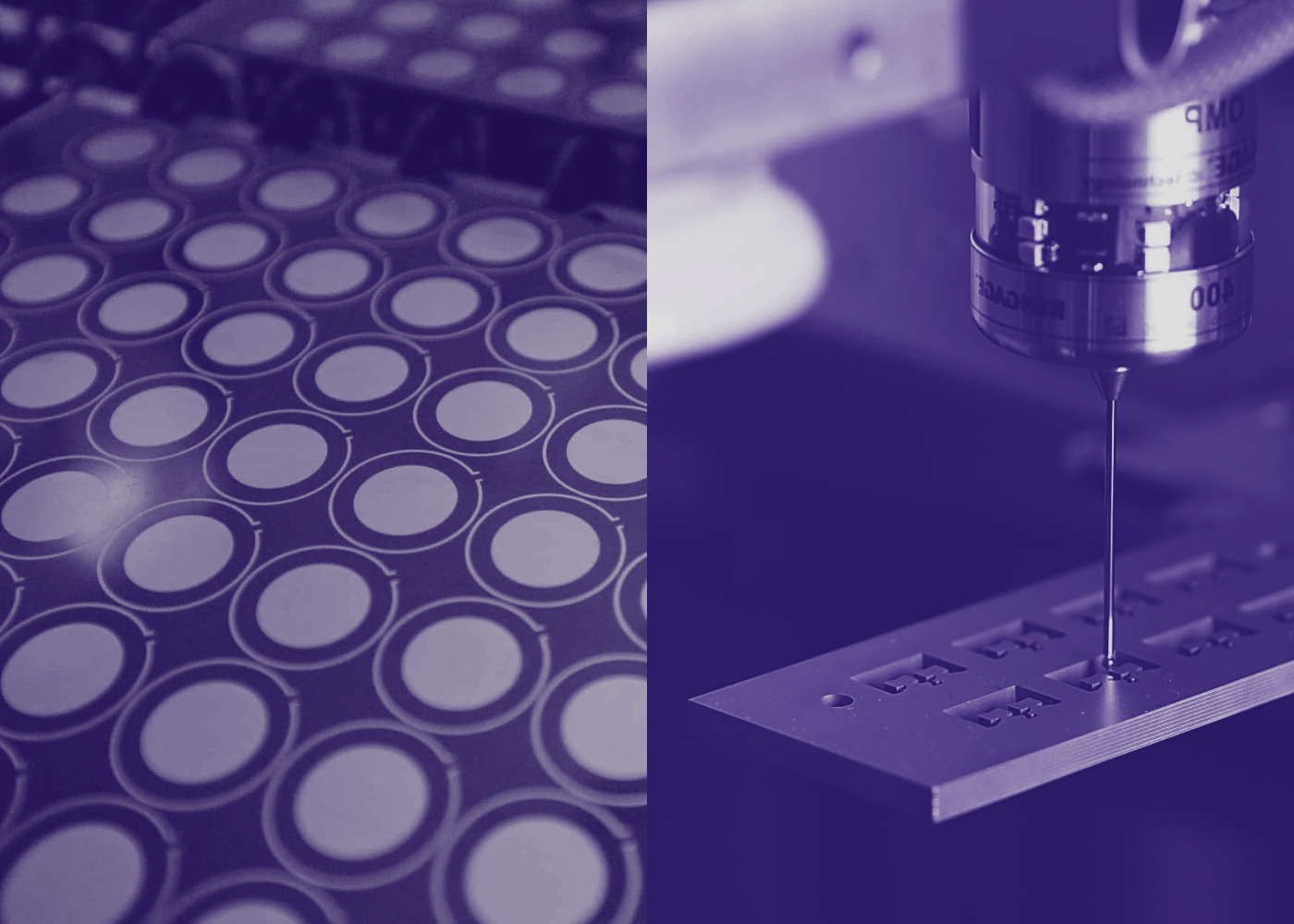
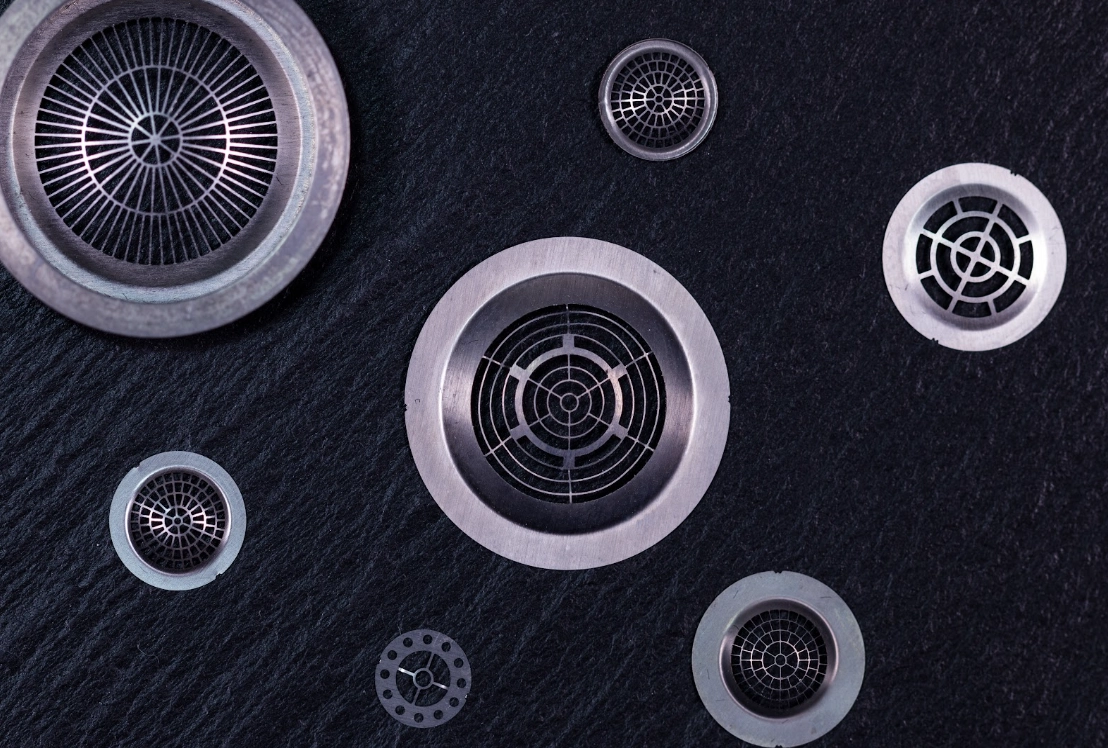
In this article, we look at what makes PCE and molybdenum such a powerful combination, the key applications of chemically-etched molybdenum, and what makes E-Fab the trusted partner in molybdenum etching.

Read More >

Exploring Titanium Etching Applications Across Industries

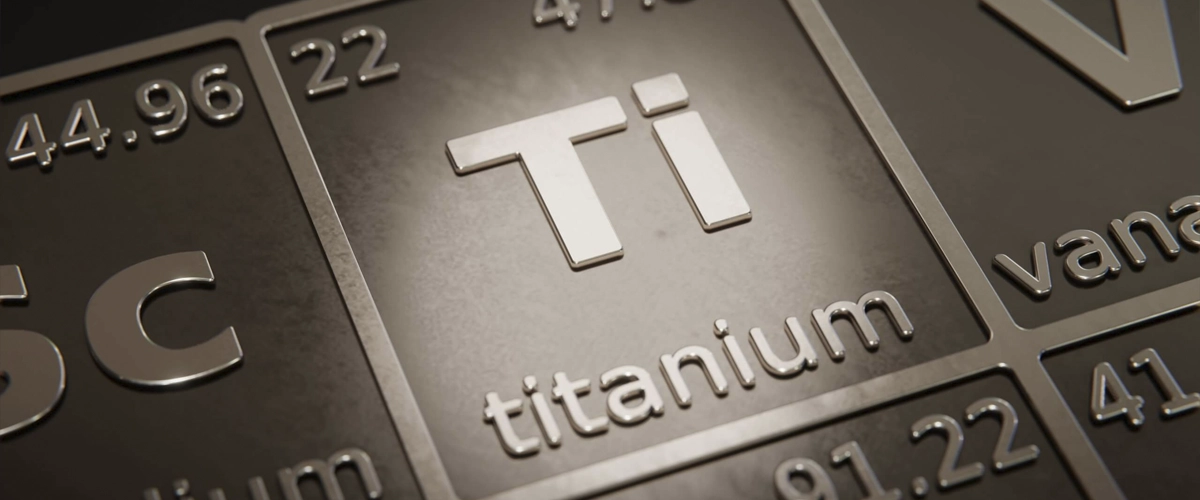
Engineers call for titanium because of the material’s strength and versatility. In this article, we look at why engineers view titanium as a valuable metal, discuss the versatility of etched titanium, its unique advantages, and where you can find titanium etched parts across many industries.

Read More >

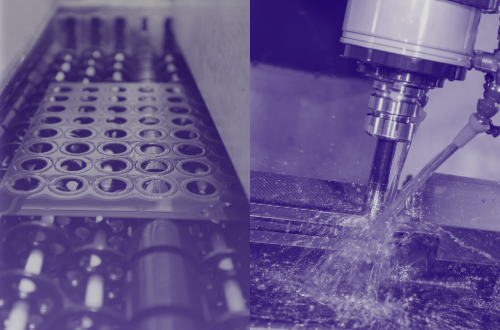
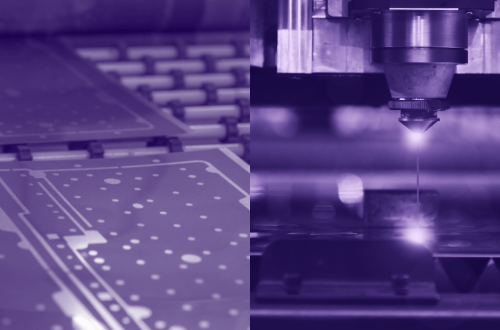
The Top Advantages of Precision Prototype Metal Parts

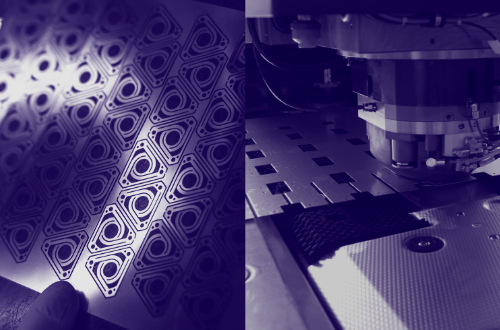
As the metal manufacturing domain forges ahead, metal prototyping stands out, owing to modern technologies such as CNC machining, laser cutting, and direct metal laser sintering. These innovations not only streamline design testing but also bolster cost efficiency and accelerate development.

Read More >

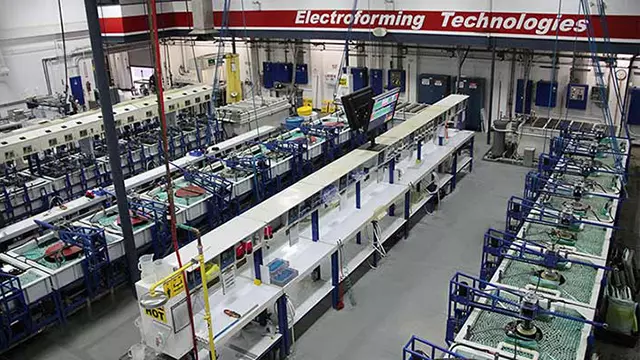
Photochemical Etching: What it is and how it works

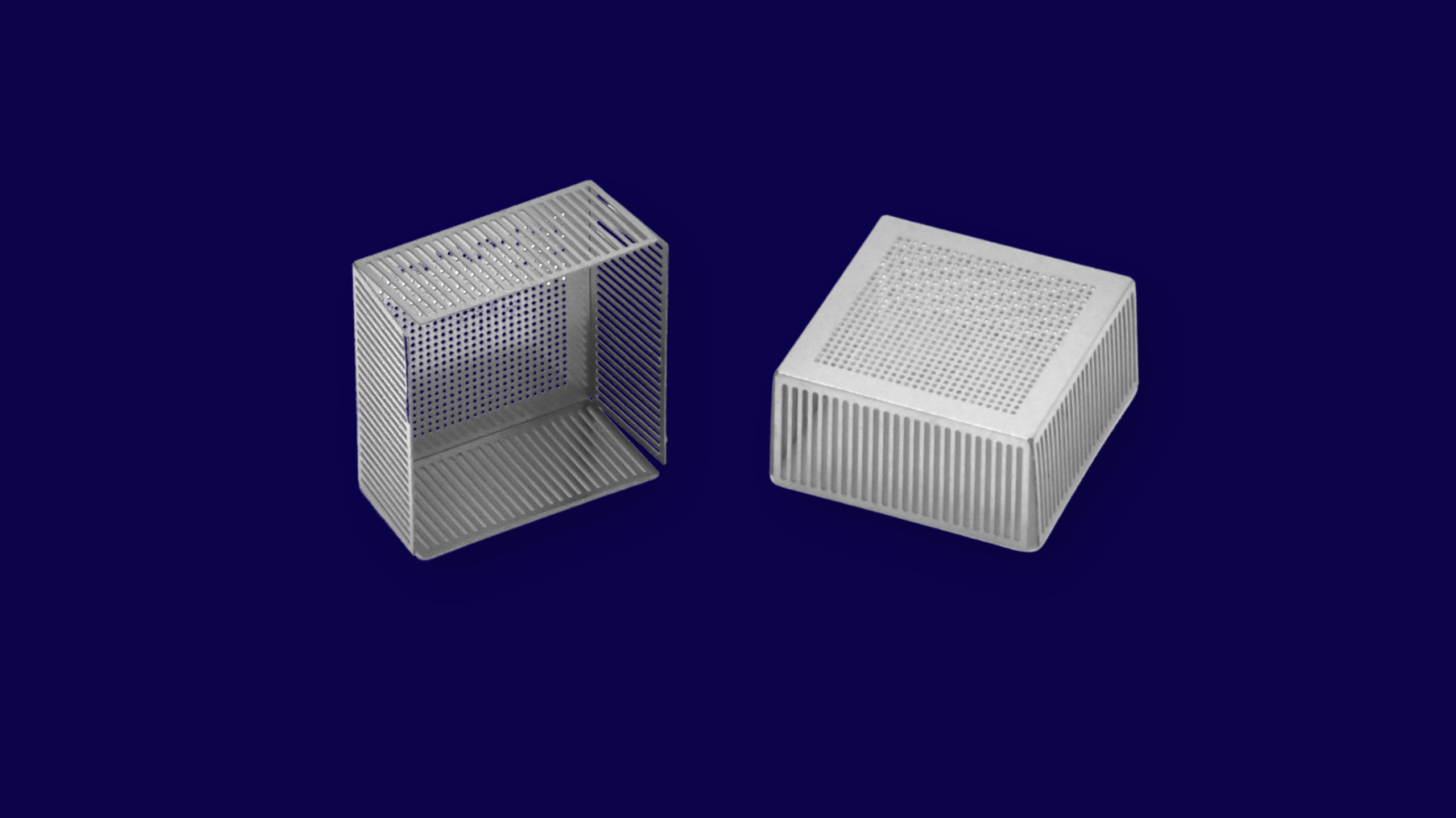
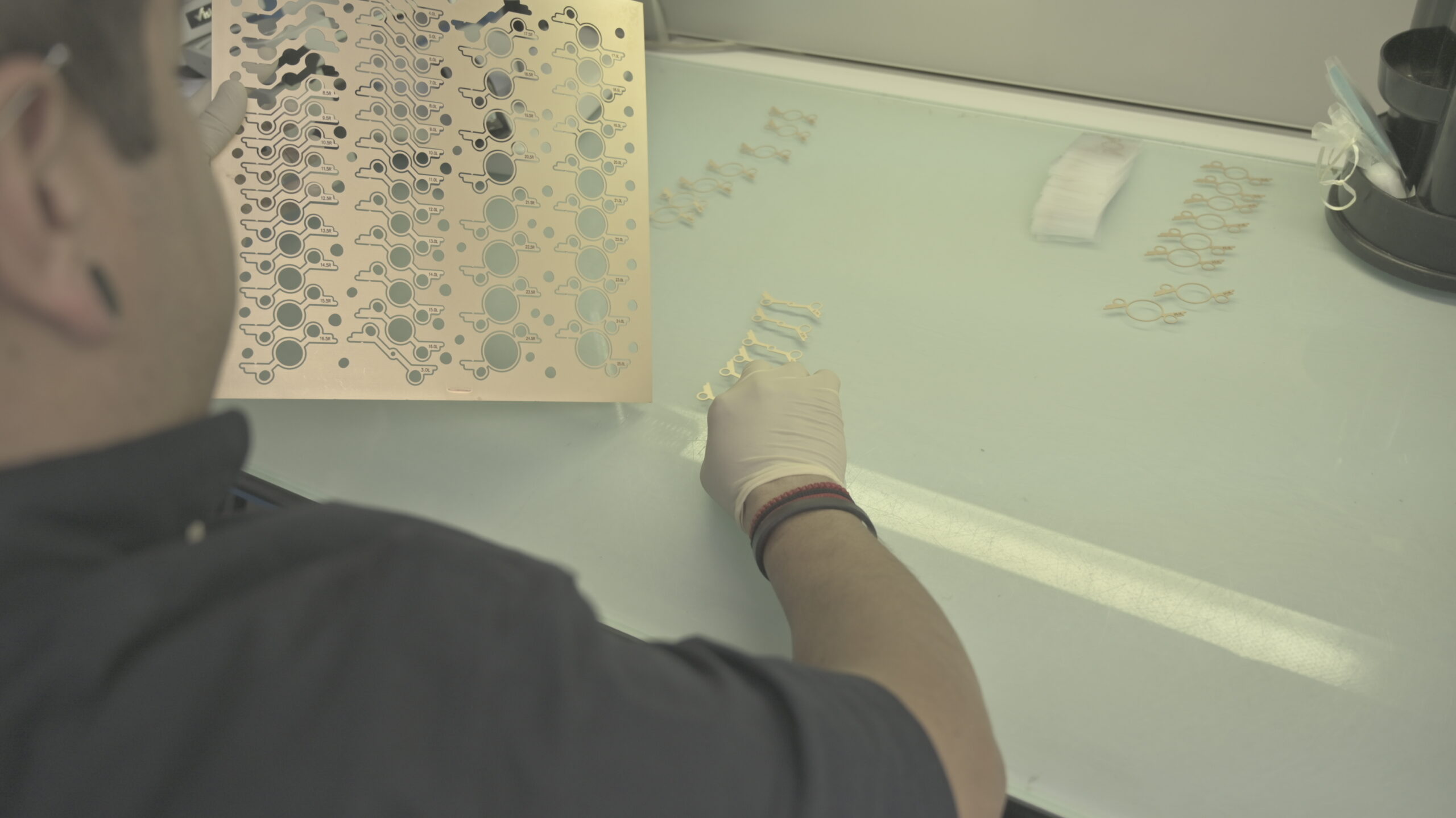
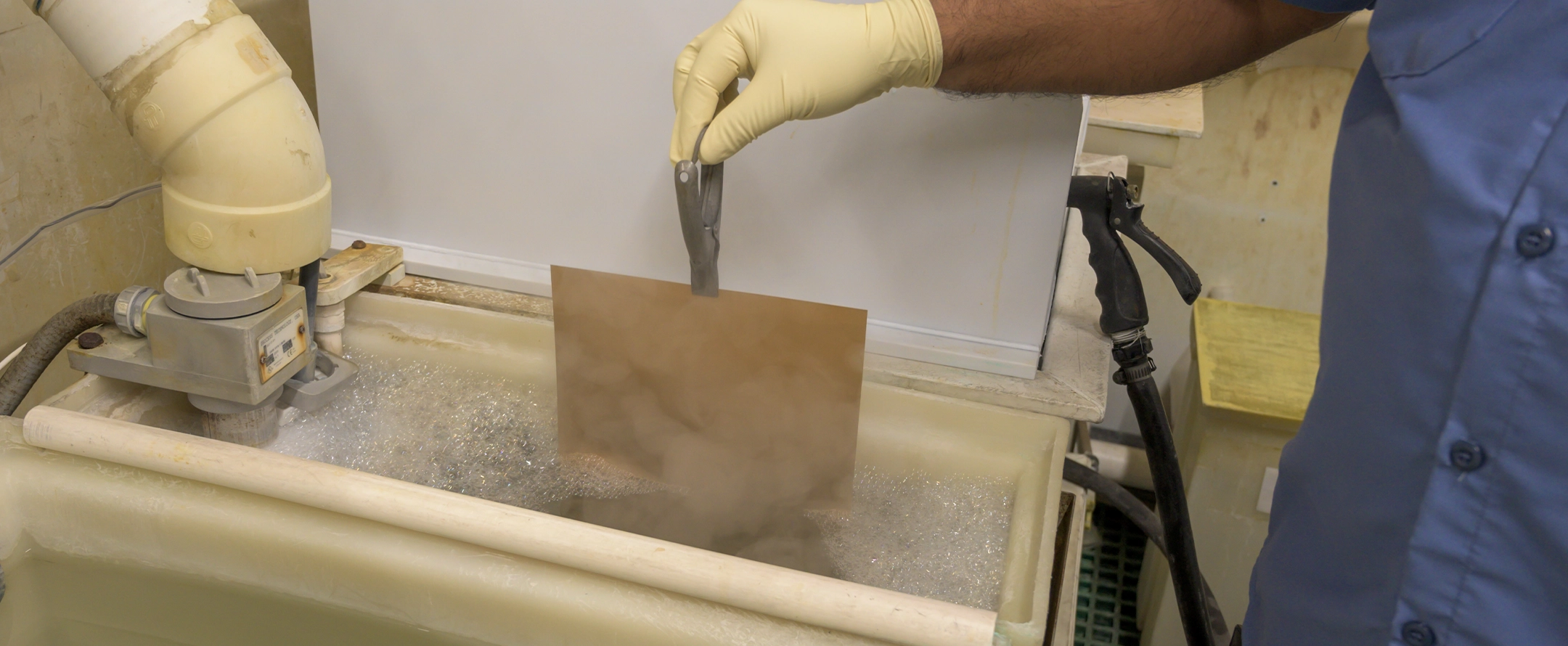
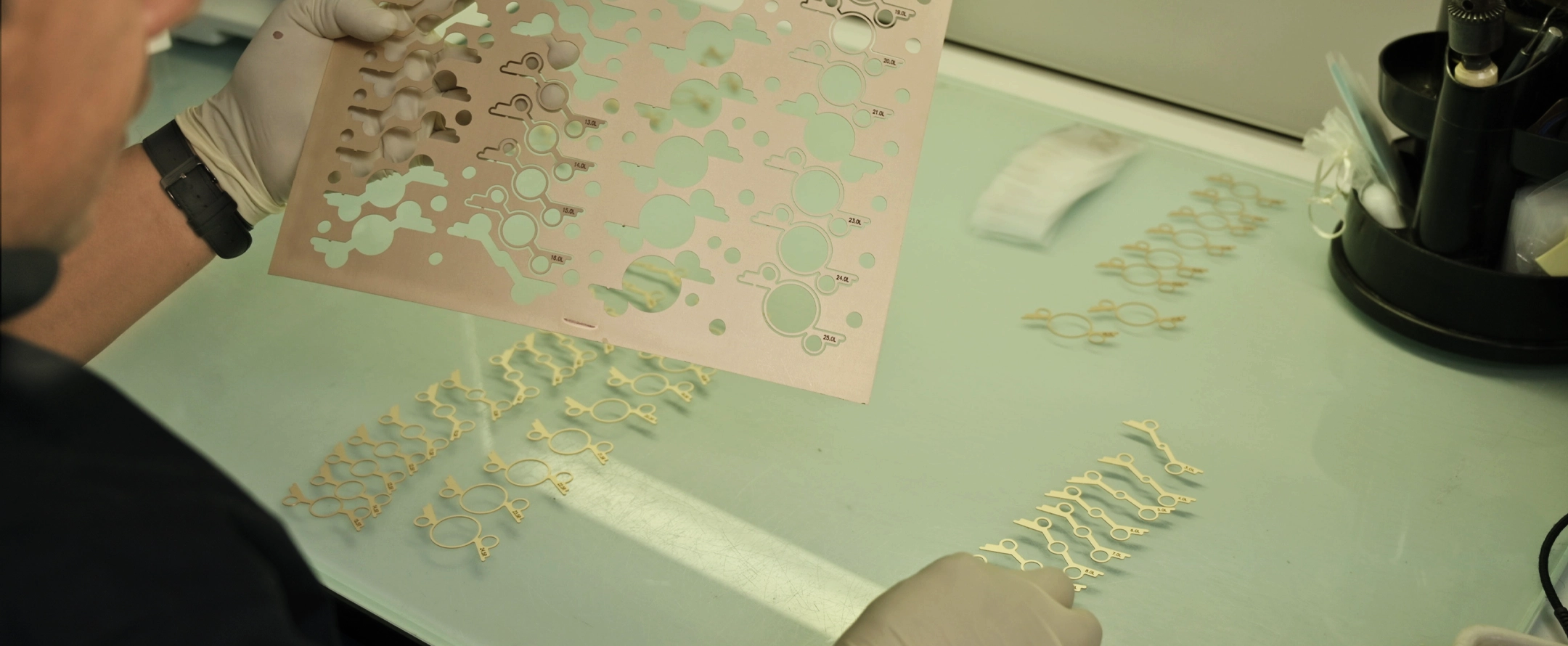
Photochemical Etching: What It Is, How It Works, and When to Use It Photochemical etching is a precision metal manufacturing process used to produce complex, burr-free components with extremely fine detail, without heat, mechanical force, or tool wear. It is a high-precision, subtractive manufacturing process that uses photo-sensitive resist, UV light, and chemical etchants to selectively remove material from metal sheets. The chemical etching process and chemical machining are both used to fabricate precision metal components, and the photo chemical

Read More >

Common Topics

  • Aerospace and Defense Manufacturing
  • Busbars and Stiffeners
  • EMI/RFI Shielding
  • Manufacturing for Semiconductor Components
  • Materials and Their Applications
  • Photochemical Etching (PCE)
  • Precision Manufacturing
  • R&D and Prototyping