Blog

Custom Antenna for Space and Defense: RF and Components for Defense and Space Systems

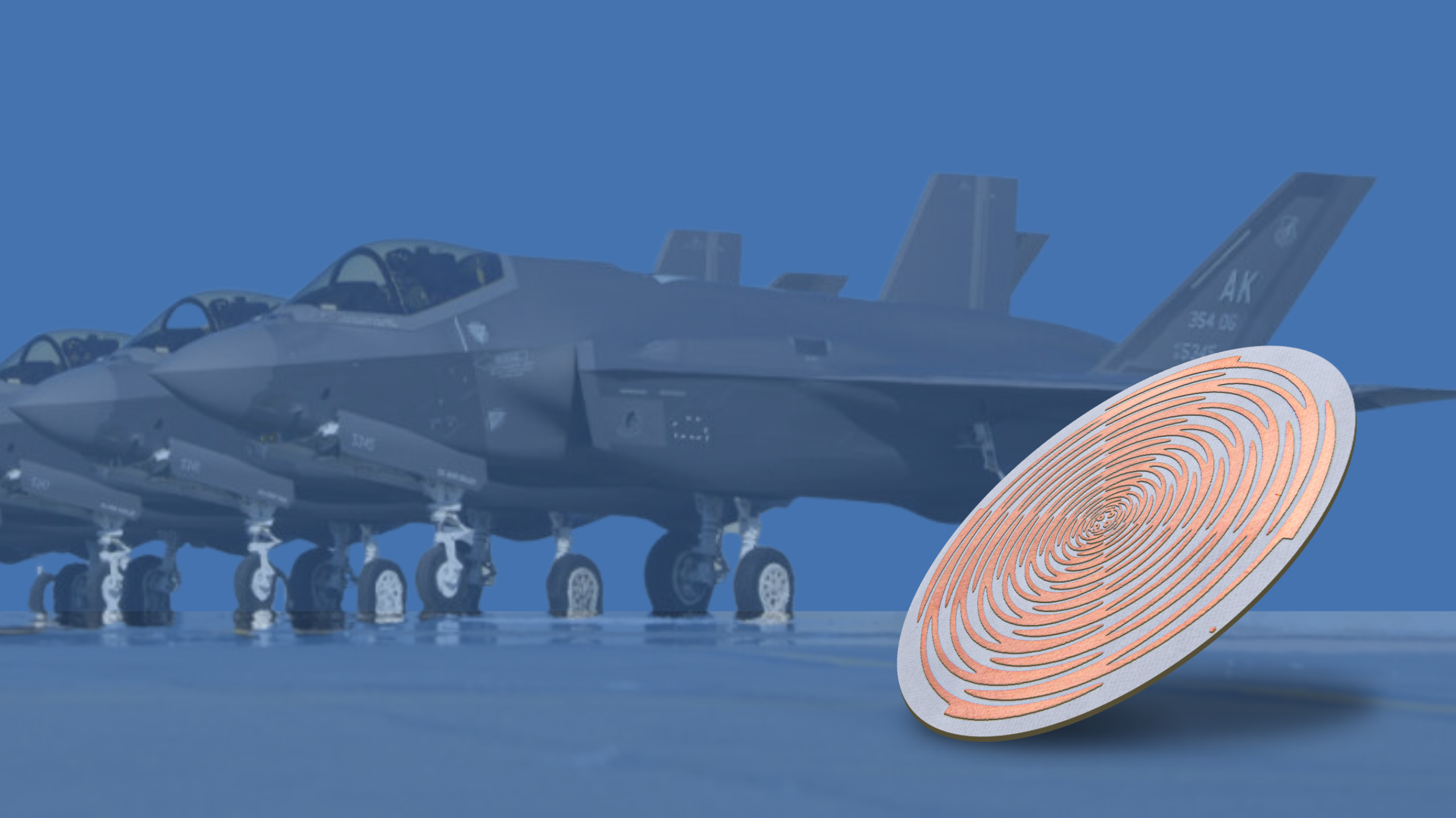
RF and antenna components are foundational to modern defense and space systems, enabling communication, navigation, sensing, and data transmission across extreme environments. From satellite communications and spacecraft telemetry to secure military communications and radar systems, these components must operate with exceptional precision at increasingly high frequencies. E-Fab delivers comprehensive solutions for RF and antenna components, supporting advanced defense and space systems with end-to-end offerings that address complex technical requirements and mission demands. As systems evolve toward higher bandwidth, lower latency,

Read More >

LEO vs GEO Satellites: How Etched Satellite Component Requirements Change

As commercial space activity accelerates, satellite engineers are designing for two fundamentally different orbital environments: Low Earth Orbit (LEO) and Geostationary Earth Orbit (GEO). Artificial satellites are objects that orbit the planet Earth, and satellite placement in different orbital regions, such as the leo region (LEO), medium Earth orbit (MEO), and the geostationary belt (GEO), is critical for mission success. LEO constellations are expanding rapidly, driven by operators such as SpaceX, OneWeb, and Amazon Project Kuiper. LEO encompasses satellites that

Read More >

RF Shielding Design Guide: Tips for Engineers and Product Designers

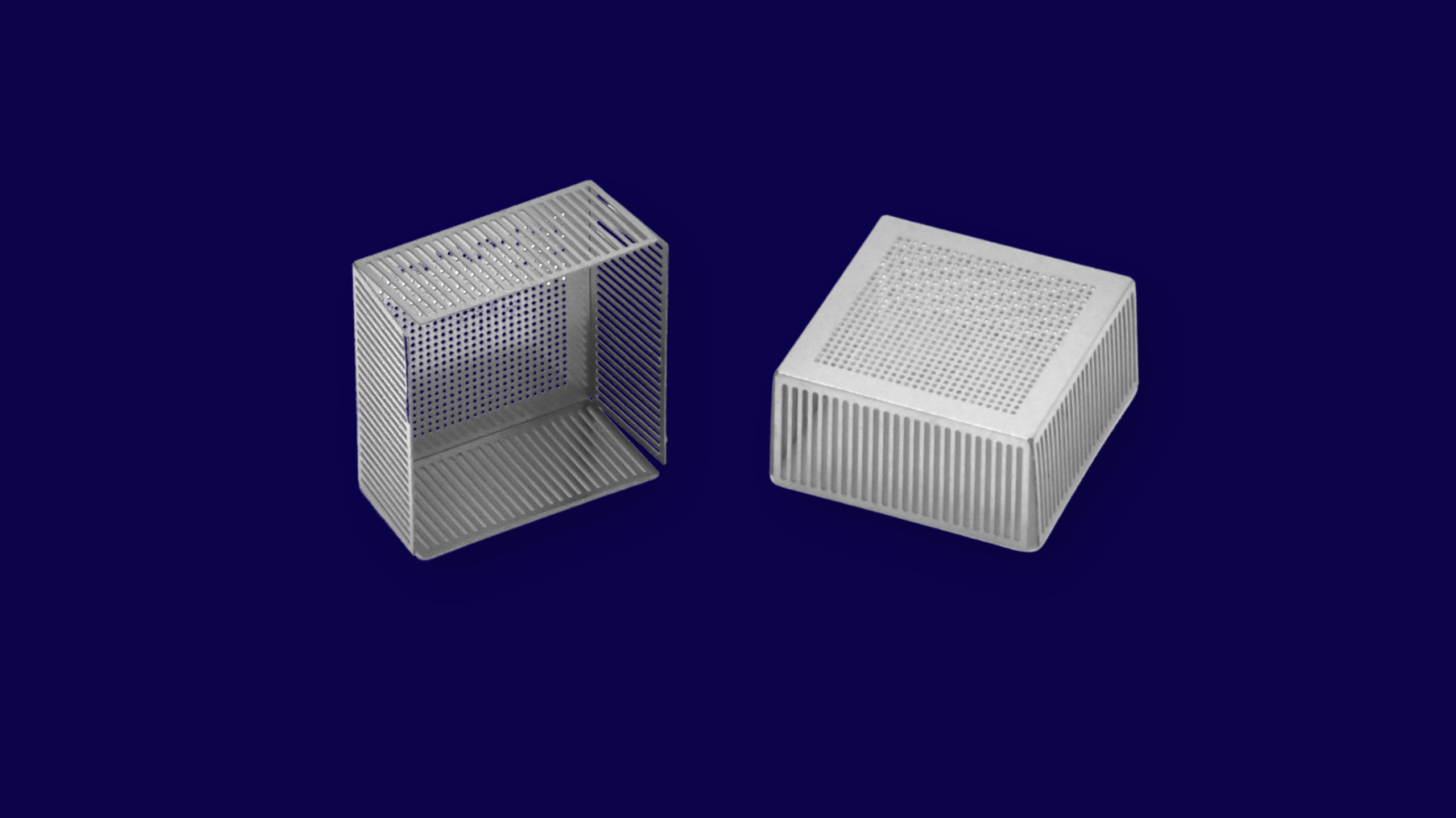
In today’s world of increasingly compact, connected, and high-performance electronics, electromagnetic interference (EMI) is a constant threat. For example, EMI can disrupt critical equipment in medical devices, aerospace electronics, transit systems, and navigation, making effective shielding essential in these real-world scenarios. From medical devices to aerospace systems and consumer IoT products, effective RF shielding often determines whether a device passes compliance or fails in the field Effective electromagnetic shielding isn’t just about slapping a metal can over a PCB at

Read More >
ITAR logo over satellite view of earth.

What You Need to Know About ITAR Registered Manufacturer

It’s important because we all play a role in safeguarding sensitive information in a world where it is so vulnerable In the aerospace and defense industries, protecting sensitive information is non-negotiable. The International Traffic in Arms Regulations (ITAR) set the standard for how companies must manage and safeguard U.S. defense-related technology. For manufacturers and suppliers, ITAR compliance isn’t optional, it’s a legal and strategic necessity. If your organization designs, engineers, or sources components tied to defense systems, you need to

Read More >
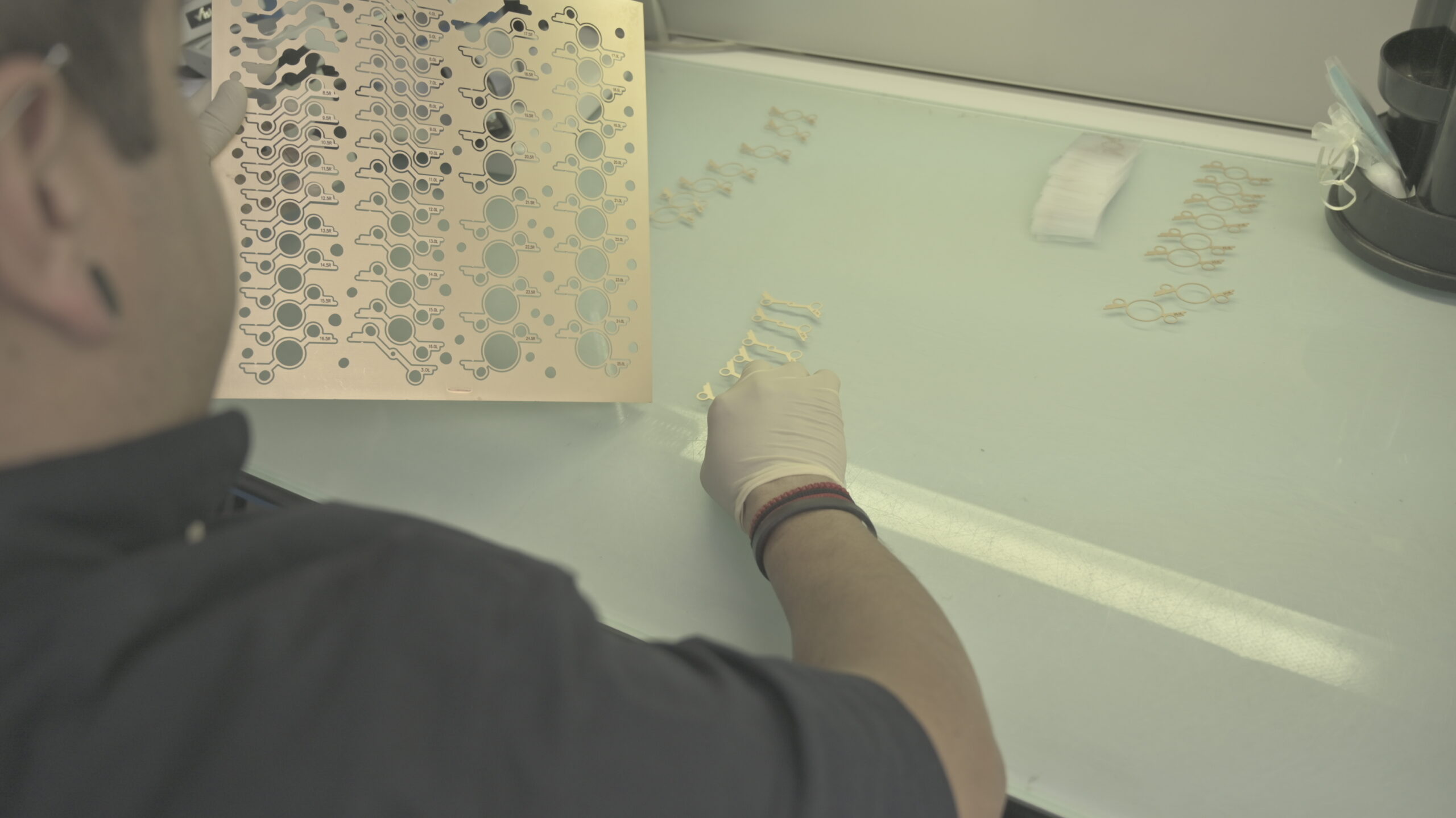
worker with thin metal parts

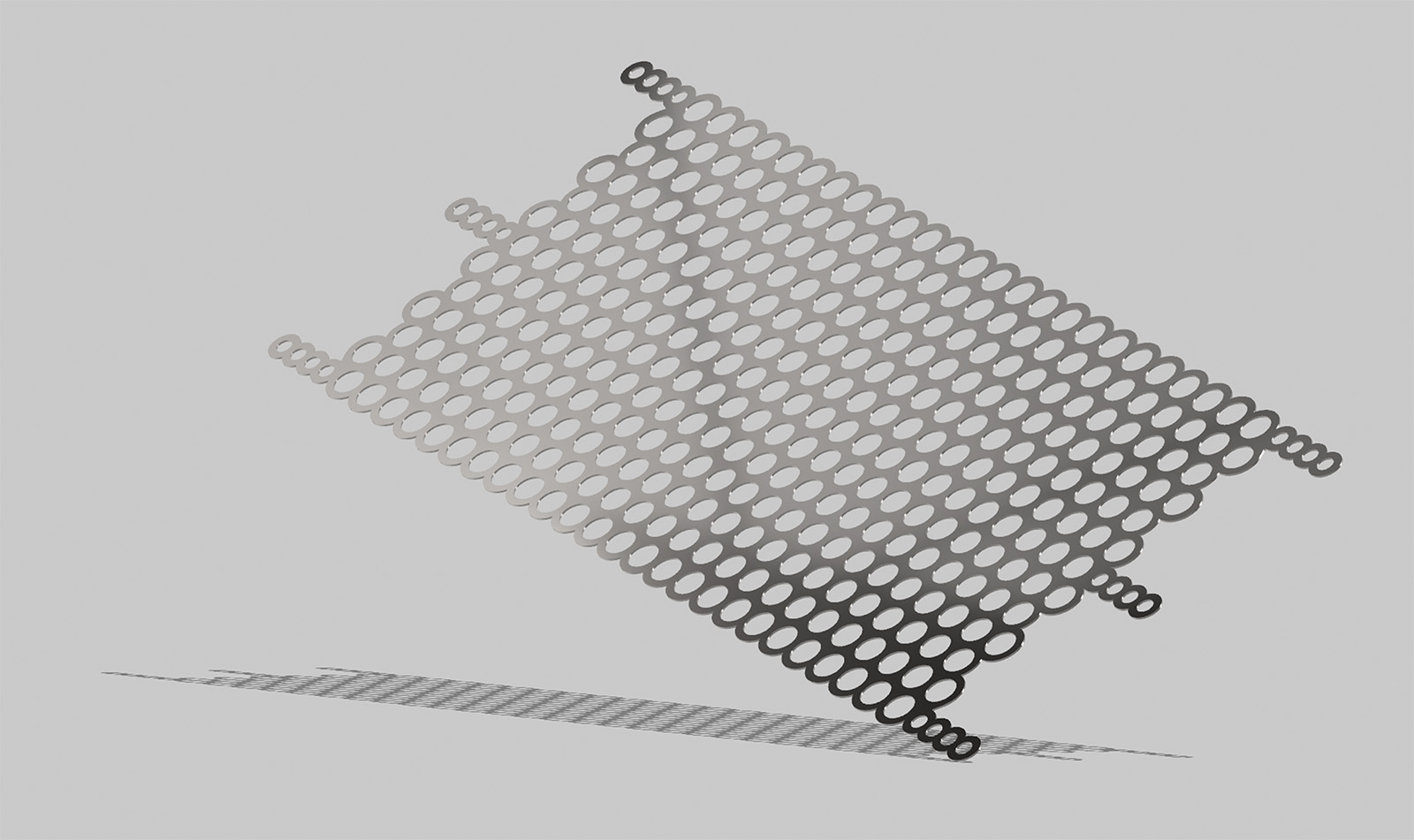
What is Thin Metal Etching? Techniques, Materials, and Applications

What to know from the experts at E-Fab In industries where precision and performance are non-negotiable, such as aerospace, medical, defense, and electronics, engineers face a common challenge: how to produce intricate, high-performance components from advanced metals without compromising quality or efficiency. Traditional methods like stamping, machining, or laser cutting often fall short, especially when working with ultra-thin materials that require delicate detail, stress-free edges, or tight repeatability. That’s where thin metal etching, and more specifically, chemical etching of thin

Read More >

Why Choosing a U.S.-Based Semiconductor Manufacturing Matters More Than Ever

And Why Now Is the Pivotal Moment for U.S.-Based Semiconductor Manufacturing The semiconductor manufacturing industry is at a history-defining moment. Global supply chain disruptions, mounting geopolitical pressures, and new policy frameworks, such as the U.S. CHIPS Act and recent tariffs on non-U.S. semiconductor imports, are redefining how and where critical components should be sourced. Decision-makers in engineering, procurement, and R&D are increasingly recognizing that sourcing domestically is no longer just an option, it’s a strategic necessity. However, establishing a new

Read More >

Top EMI Shielding Materials for Electronics and Defense

E-Fab Breaks Down How to Choose the Best for Your Application Why EMI Shielding Materials Matter In aerospace, defense, medical, and high-performance electronics, electromagnetic interference (EMI) is absolutely mission-critical, sometimes mission-ending. Even small amounts of interference can disrupt communications, compromise navigation systems, degrade imaging clarity, or cause complete equipment failure. Sectors such as transportation, medical, military, and critical infrastructure face a wide range of EMI threats, including both unintentional and intentional electromagnetic interference. Assessing and shielding against these EMI threats

Read More >

EMI Shielding in Medical Devices: Materials, Techniques, and Applications

Electromagnetic interference (EMI) is a growing concern in today’s increasingly interconnected world of advanced electronics. EMI occurs when unwanted electromagnetic energy, from sources like radio frequencies, microwaves, nearby equipment, or even natural phenomena, disrupts the normal operation of electronic devices. This disruption can lead to system malfunctions, degraded performance, and safety risks, especially in mission-critical applications. As healthcare technologies rapidly evolve toward miniaturization, wireless connectivity, and multifunctional capabilities, the risk posed by EMI and the need for EMI shielding solutions

Read More >

Photochemical Machining for Medical Implants: Why Precision Matters

As medical technology continues to advance, the components behind these innovations must meet increasingly stringent requirements. For implantable medical devices, engineers, buyers, and MedTech designers are seeking advanced manufacturing methods that deliver unmatched precision, biocompatibility, and repeatability, qualities that are both critical and essential for patient safety and device performance. Photochemical machining (PCM) has emerged as a superior solution for producing custom, lightweight, high-precision implant components. This advanced process uses a combination of photographic imaging and chemical etching to manufacture

Read More >

Medical Fabrication: Common Challenges and Solutions in Metal Equipment

Precision metal fabrication, including sheet metal fabrication, plays a crucial role in the medical industry. From minimally invasive surgical tools to implantable components and diagnostic devices, the demand for reliable, high-precision parts is growing exponentially. Medical equipment often consists of dozens of unique parts, each requiring precise fabrication to ensure optimal performance and safety. But as medical technologies advance, so do the challenges involved in fabricating the metal parts that power them. At E-Fab, we understand the increasing complexity, regulatory

Read More >

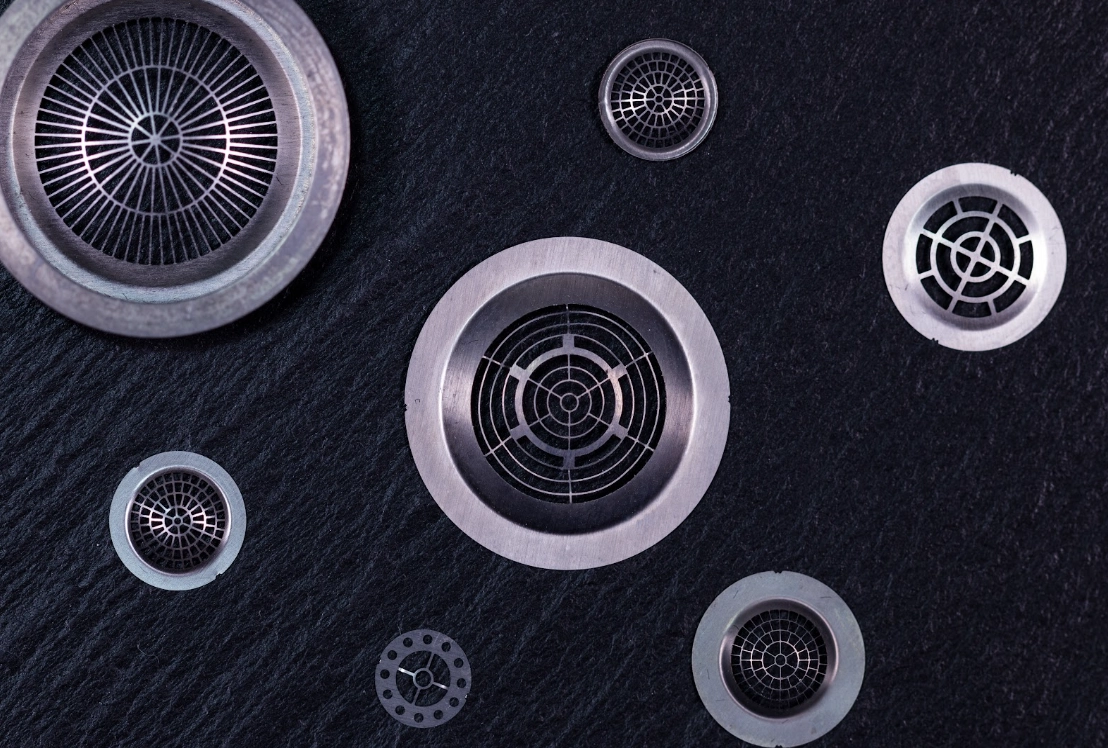
Etched Aerospace Filters & Screens: Why Precision Matters at Altitude

Throughout the years, one thing we’ve always understood at E-Fab is very straightforward, in aerospace engineering, there’s no room for error. Cruising at altitudes of 35,000 feet and beyond, where pressures drop, temperatures plunge, and systems run at the edge of performance, every component must function flawlessly. Among these critical components are aerospace fluid filters and performance filtration screens, the often-forgotten filtration products that ensure everything from fuel purity to electronic signal clarity, as well as protection from particulates, operates

Read More >

Photochemical Etching & Diffusion Bonding: A Detailed Exploration of Their Applications

When it comes to manufacturing precision metal parts, two advanced processes often come up in conversation: Photochemical Etching (PCE) and Diffusion Bonding. Both techniques are widely used in high-precision industries such as aerospace, medical devices, and electronics, and while they each have their strengths, they serve different functions and are suited to different stages or aspects of a component’s design and fabrication. The aerospace industry relies heavily on these processes for producing high-precision components that meet stringent performance standards. At

Read More >

Photochemical Etching vs Electroforming: A Comprehensive Comparison

PHOTOCHEMICAL ETCHING VS ELECTROFORMING: A COMPREHENSIVE COMPARISON In the world of precision manufacturing, both Photochemical Etching (PCE) and Electroforming are renowned for their ability to produce intricate metal components with high accuracy. However, when it comes to factors such as design flexibility, cost-effectiveness, and precision, PCE often stands out as the superior choice. Additionally, PCE offers numerous advantages that make it an ideal solution for various manufacturing needs. E-Fab has established itself as a leader in photochemical etching, leveraging decades

Read More >

PCE vs Wire EDM: Photochemical Etching vs. Wire Electrical Discharge Machining – A Comprehensive Comparison

At E-Fab, we bring decades of expertise in high-precision metal fabrication, and we take pride in not only delivering top-tier manufacturing solutions but also in educating our clients about the benefits of the technologies we offer. In the realm of non-contact precision metal fabrication, selecting the right manufacturing process is crucial to ensuring optimal performance, durability, and efficiency. Two of the most widely used techniques in this arena are Photochemical Etching (PCE) and Wire Electrical Discharge Machining (Wire EDM). While

Read More >

Photochemical Etching vs. Metal Stamping: A Comprehensive Comparison

There are numerous metal cutting technologies used to fabricate metal parts with high efficiency and extreme repeatability; selecting the right manufacturing process is crucial for achieving optimal results. Between the advanced techniques of Photochemical Etching (PCE) and traditional methods of Metal Stamping, there are specific areas that provide clear differences in the components produced. While both offer distinct advantages depending on the application, material, and desired output, PCE stands out as the superior choice for manufacturers requiring high precision, design

Read More >

Photochemical Etching vs. CNC Machining: A Comprehensive Comparison

In the world of precision metal manufacturing, Photochemical Etching (PCE) and CNC Machining are two widely used techniques. While both methods offer unique advantages, PCE stands out as the superior choice for manufacturers requiring thin metal parts that are intricate, have high-precision, are cost-effective, and stress-free . However, CNC Machining retains its relevance for applications involving thicker materials and complex 3D geometries. At E-Fab, we specialize in photochemical etching (PCE) as a precise and cost-effective solution for intricate, burr-free metal
Read More >

Photochemical Etching vs. Laser Cutting: Comprehensive Comparison

E-Fab is dedicated to providing our clients with best-in-class services and sharing our accumulated knowledge of manufacturing excellence throughout every project we are involved with.  When it comes to precision metal fabrication, selecting the right manufacturing process is crucial for achieving optimal results. We incorporate the latest metal processing technology combined with traditional metal cutting technologies to create solutions that continue to meet and exceed our customer’s expectations. Two of the most widely used techniques to produce precise metal parts

Read More >

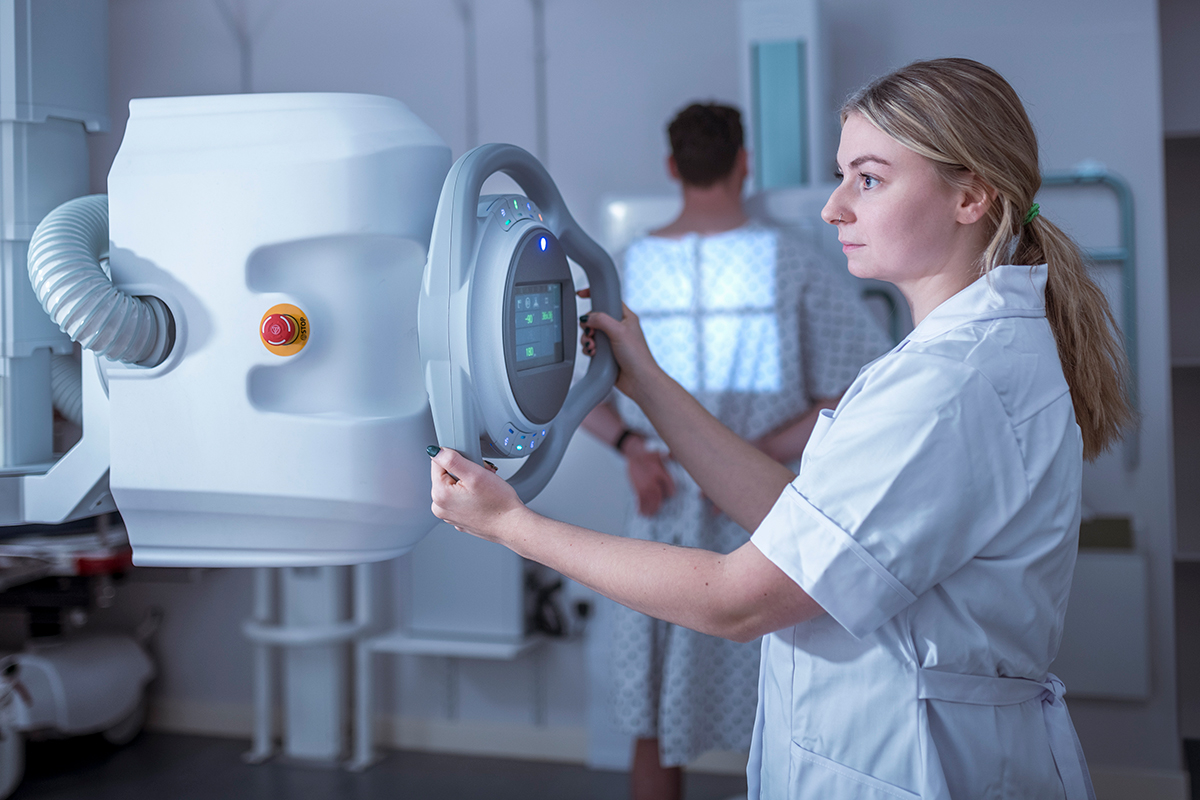
Tungsten in Medical Devices: How Precision Parts Improve Patient Outcomes

Tungsten is a refractory metal known for its exceptional properties, including the highest melting point of any metal (3422°C / 6191°F), superior strength, and high density. These characteristics also include thermal resistance and radiation protection due to its unique material properties, which are crucial for medical applications. Professionals in the medical industry use several systems and tools for life-saving procedures and tests that incorporate tungsten-based components, which are vital to ensuring accurate and dependable information is provided to the medical

Read More >

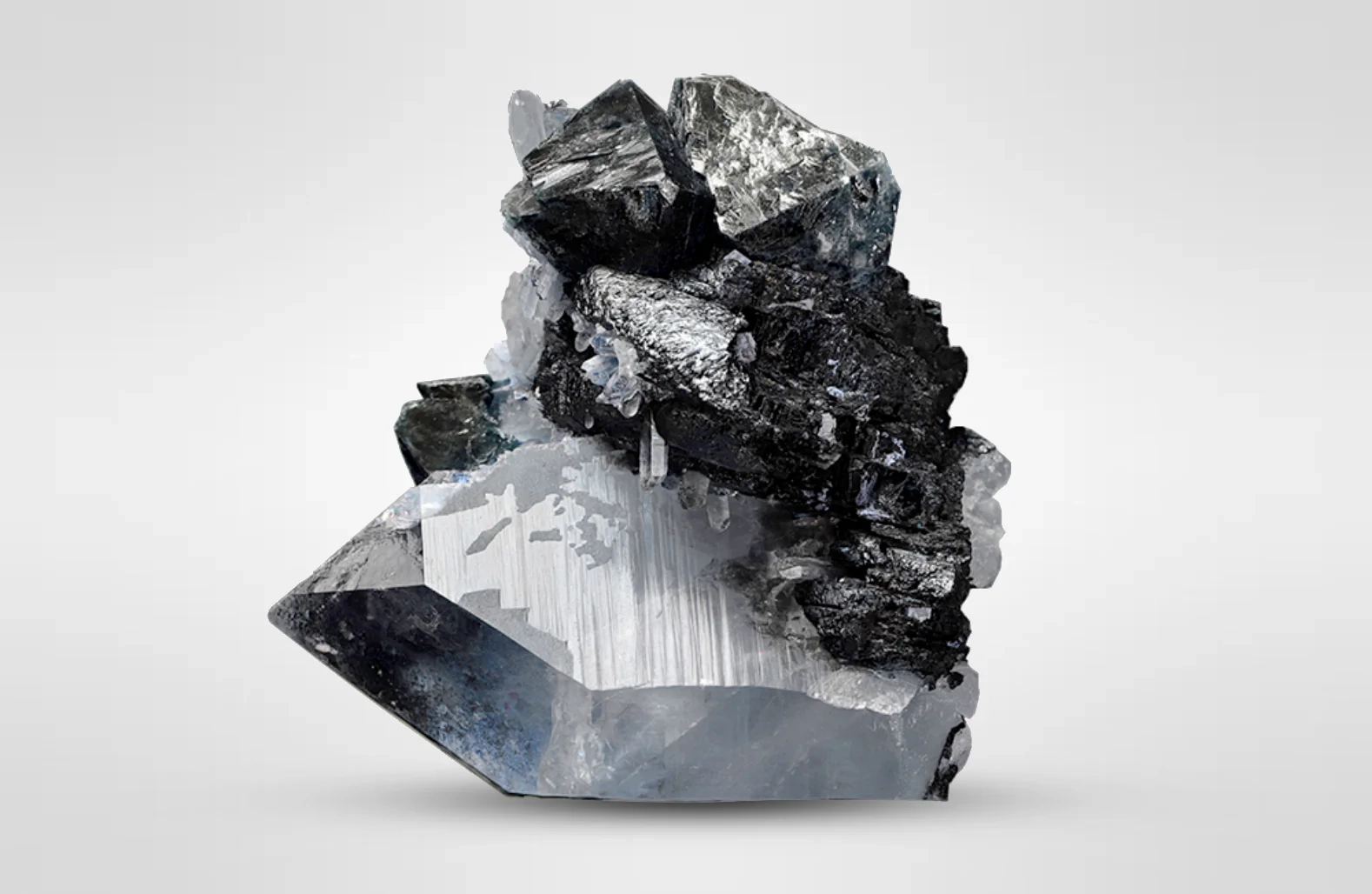
E-Fab’s Photochemical Etching with Tungsten

We’ve Mastered the Use of Tungsten for Precision Parts Why Tungsten? Tungsten is a refractory metal known for its exceptional properties, including the highest melting point of any metal (3422°C / 6191°F), superior strength, and high density.  It offers increased corrosion resistance, making it highly durable in harsh environments, and withstands exposure to corrosive substances compared to many other metals. These characteristics make it an ideal material candidate when used for intricately etched parts and components. However, tungsten also has

Read More >

Surgical Device Precision Components with Photochemical Etching

The quality of components in surgical devices directly impacts patient outcomes, so it’s critical to deliver the highest levels of precision during the manufacturing process. In an industry where even the smallest component must be made to exacting standards, photochemical etching (PCE) has emerged as the trusted manufacturing process for surgical device components, providing an unmatched level of accuracy, flexibility, and compatibility. Boasting over 40 years of experience, E-Fab is where ingenuity meets precision. In a field where precision is

Read More >

Why PCE makes sense for the precision medical machining of instruments

Medical engineers understand better than anyone the need for precise, reliable components that meet stringent specifications while also contributing to the overall safety and effectiveness of the medical instruments they design. However, with the miniaturization and intricate designs of modern medical instruments, most traditional machining methods fail to provide the precision required for medical component manufacturing. Delivering superior precision, customization, and cost-effectiveness, photochemical etching (PCE) has emerged as the preferred manufacturing method for engineers across a broad range of precision

Read More >

Applications of Medical Precision Parts

Precision-manufactured components are the foundation of functionality, reliability, and innovation in modern medical technology.  From diagnostic equipment and surgical instruments right through to implantables, these precision parts play a crucial role in a wide range of critical applications, ensuring that modern medical devices operate effectively, safely, and consistently.  Boasting more than 40 years of proven experience and unrivaled expertise, E-Fab leads the way in precision photochemical etching, prototyping, and the production of intricate medical device parts critical for medical applications.

Read More >

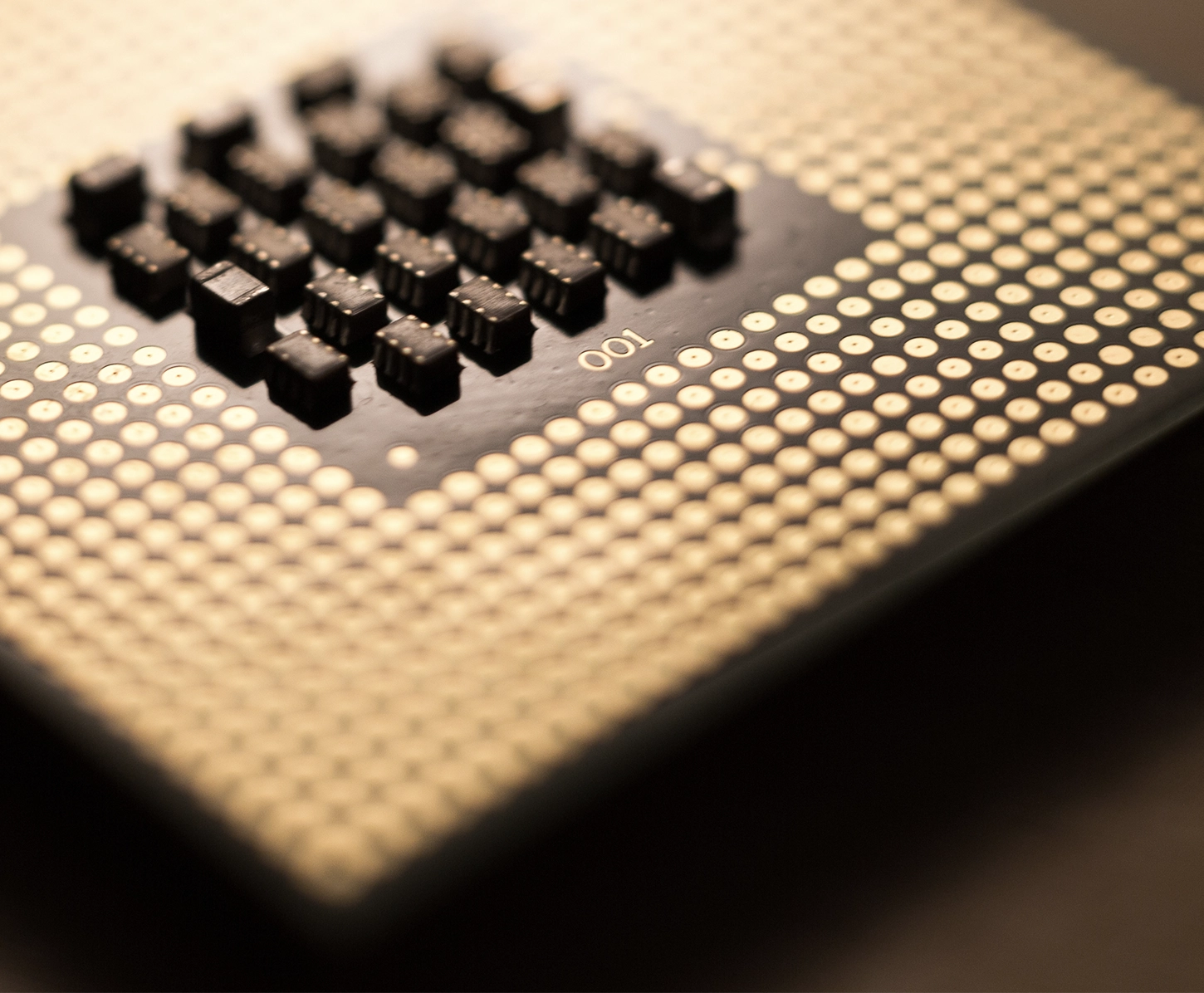
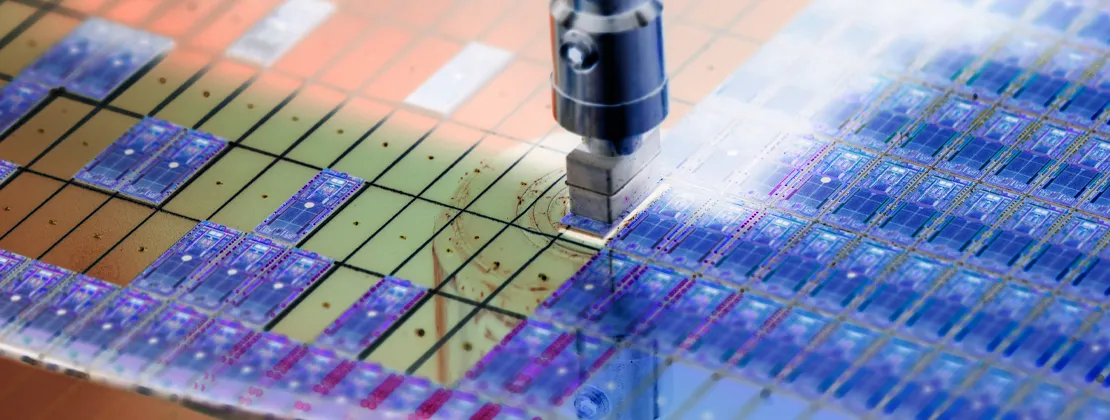
Understanding the Semiconductor Etching Process for Precision Components

In semiconductor manufacturing, precision and quality are essential to ensuring the performance and reliability of the final product. With the functionality of critical electronic devices on the line, you need a manufacturing process with high precision and control, as even the slightest deviation can lead to failure. The heart of these devices is the semiconductor, a thin microelectronic composed of several components created out of silicon, germanium, and metals.   Let’s look at the process of semiconductor manufacturing and how
Read More >

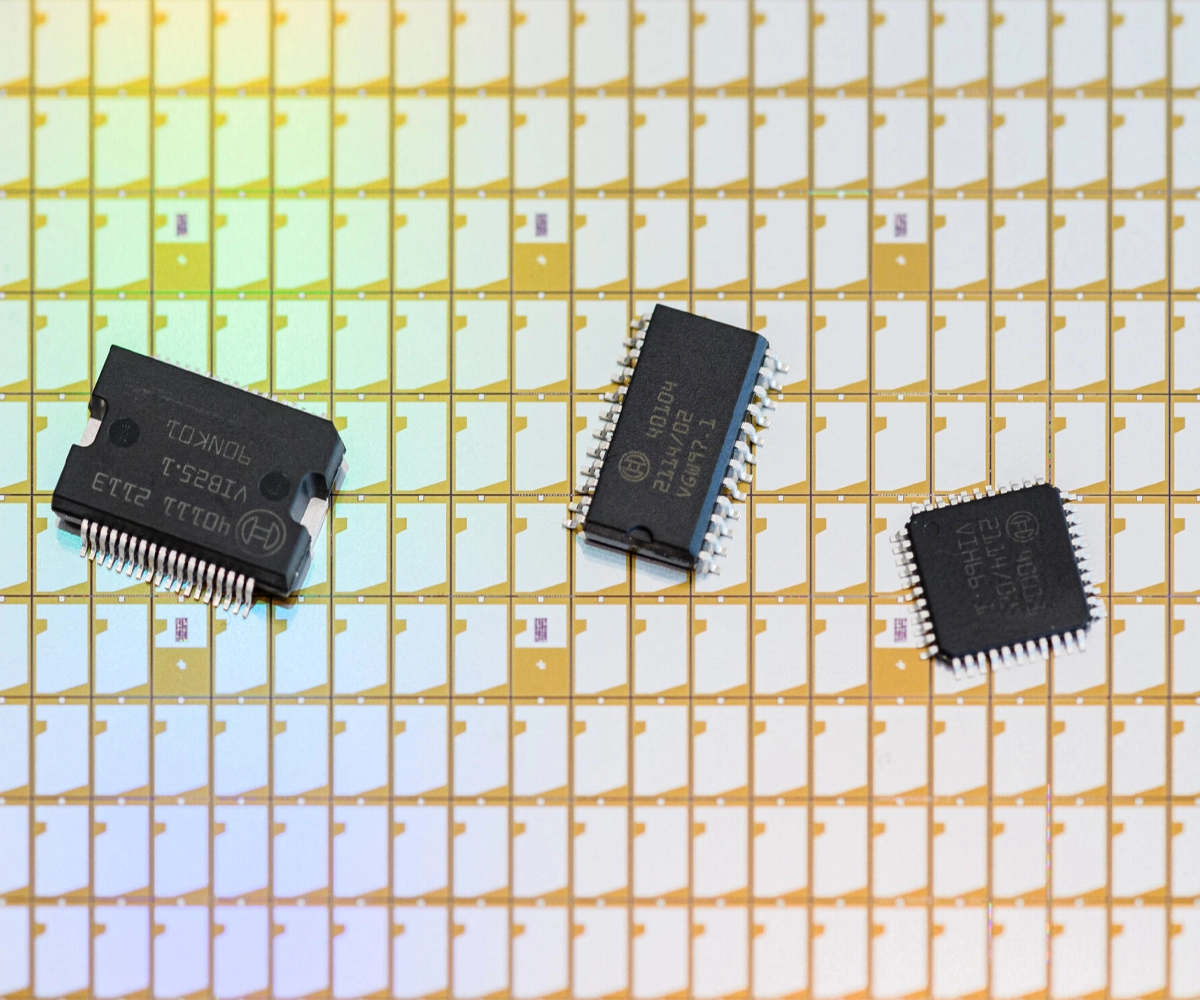
Choosing the Right Manufacturing Partner for Semiconductor Components

When you’re in the business of modern technology, you need to know that your semiconductor components have the quality, innovation, and reliability required to perform. With your choice of who produces your components significantly impacting the final product’s performance and efficiency, choosing the right manufacturing partner becomes paramount. E-Fab is a leading photochemical etching manufacturer specializing in manufacturing components for semiconductors and semiconductor fabrication equipment. Renowned for our industry-leading expertise in precision metal etching, E-Fab has become the trusted partner

Read More >

Improving the Quality of Semiconductor Components with Photochemical Etching

In the rapidly evolving field of electronics, the quality of semiconductor components is critical to ensuring the performance, safety, and reliability of electronic devices and systems across a wide range of industries. The tiny, intricate parts found in semiconductors are the backbone of modern technology, powering everything from smartphones to advanced computing systems. Photochemical etching (PCE) offers manufacturers precise and reliable thin metal parts with extremely tight tolerances and intricate geometries for high-quality semiconductor components. Renowned for our industry-leading expertise
Read More >

Common use cases for Photochemical Etching of Tungsten

Photochemical etching has emerged as a highly effective process for creating intricate and high-precision components from a wide range of metals. Renowned for its exceptional properties, tungsten has become one of the most popular materials for this innovative etching process, and it’s easy to see why. When paired with precision chemical etching, tungsten’s exceptional hardness, high melting point, and corrosion resistance make it ideal for creating durable tools and components that withstand even the harshest conditions. Leaders in chemical etching,

Read More >

What are the benefits of Tungsten etching in precision manufacturing

Choosing the right material is crucial to the quality and durability of every precision-manufactured product. For industries and applications that require strength and stability at high temperatures, one metal stands out above the rest. Boasting exceptional hardness, a high melting point, and strong corrosion resistance, tungsten is the ideal metal for creating durable components that can withstand even the harshest conditions. Boasting a 40-plus-year reputation for accurate, reliable, and durable parts, E-Fab’s precision tungsten components are used in critical industries

Read More >

What are the benefits of using Molybdenum in precision manufacturing?

Known as a remarkable refractory metal, molybdenum has quickly become a powerful and popular choice for precision manufacturing. But why is that? The secret lies in its superior properties. Boasting a unique combination of high melting point, exceptional strength, excellent thermal and electrical conductivity, and corrosion resistance, molybdenum offers enhanced performance, durability, and reliability for components in critical applications across various industries. Its low coefficient of thermal expansion, high elastic modulus, and high melting point make it particularly suitable for

Read More >

Common use cases for PCE of Molybdenum

In this article, we look at what makes PCE and molybdenum such a powerful combination, the key applications of chemically-etched molybdenum, and what makes E-Fab the trusted partner in molybdenum etching. With a range of superior properties compared to other metals, molybdenum is a proven performer for a variety of industry applications. However, the true power of this transition metal is unlocked when paired with the advanced photochemical etching (PCE) process. With the ability to produce precise, intricate designs without

Read More >

How Military-Grade Titanium Enhances Defense Capabilities

Examine the properties that make military-grade titanium so powerful, where it’s used in critical defense applications, and why this wonder metal has become the trusted choice for the defense industry. In an industry where precision is paramount, material choice is essential to ensuring critical military hardware and systems’ effectiveness, reliability, and longevity. With the unique combination of strength, durability, and corrosion resistance required in demanding combat environments, advanced materials like military-grade titanium have become the metal of choice for enhancing

Read More >

Aerospace Titanium: Etched Components Leading the Future of Flight

In this article, we explore titanium’s powerful properties, its main advantages, key applications within the aerospace industry, and how it’s shaping the future of this critical industry. Known as The Wonder Metal due to its unique properties, titanium is driving innovation within aerospace, shaping the future of the industry both on the ground and in the air. Through advanced manufacturing techniques like photochemical etching, strong, reliable, and resistant titanium-etched components have become indispensable in the design and manufacturing of aircraft

Read More >

Exploring Titanium Etching Applications Across Industries

Engineers call for titanium because of the material’s strength and versatility. In this article, we look at why engineers view titanium as a valuable metal, discuss the versatility of etched titanium, its unique advantages, and where you can find titanium etched parts across many industries. With its exceptional strength-to-weight ratio, corrosion resistance, and biocompatibility, titanium has long been a popular material choice for industries ranging from aerospace to medical and beyond.  However, it’s not just the material’s inherent properties that

Read More >

Chemical Etching Vs. Laser Cutting: What You Need to Know

In this article, we examine the main differences, benefits, and drawbacks of chemical etching vs. laser cutting so you can make an informed decision about your manufacturing needs. For any precision metal manufacturing project, choosing the right cutting method is crucial to achieving its specific requirements. With multiple methods available, the choice often comes down to two prominent techniques: chemical etching and laser cutting. Both methods boast advantages and disadvantages, but which one reigns supreme as the method of choice

Read More >

Copper Bus Bar Applications Across Industries

Explore the versatile applications of copper bus bars across various industries and how they contribute to the efficiency, reliability, and innovation of modern technologies. Copper bus bars are unsung heroes of electrical connectivity, powering, and optimizing operations across a wide range of leading industries. This is due mainly to their incredible versatility, which makes them perfect for demanding applications in even the harshest conditions. From aerospace and defense to technology, semiconductors, and medical, critical electrical systems rely on these essential

Read More >

Shield, Waveguide, or Angle Forming – What’s the Difference?

In this article, we break down the key differences between shield, waveguide, and angle forming processes so you can make an informed decision when selecting your manufacturing partners. Metal forming plays a vital role in precision manufacturing, allowing manufacturers to create high-quality, cost-effective metal products with high design flexibility and consistency. With multiple types of precision metal forming available, choosing the right process can profoundly impact the quality, efficiency, and success of your project.  But what are the differences between

Read More >

Choosing the Right Busbar Manufacturer

What to look for in a busbar manufacturer, the power of the photochemical etching process, and the reasons E-Fab has led the way in precision busbar manufacturing. Responsible for powering critical systems across a wide range of industries, the humble busbar is an unsung hero of modern engineering. From aerospace to automotive, renewable energy to telecommunications, these unassuming metal bars facilitate the seamless flow of electricity in power distribution systems. But when the failure of these systems puts safety, security,

Read More >

Meeting the Challenges of Aerospace Engineering Through Precision Machining

Explore some of the complex challenges faced in aerospace engineering and how precision machining is helping to drive innovation in this rapidly evolving field. As technology advances at a rapid rate, we’ve continued to push the boundaries of exploration and innovation, propelling the aerospace industry to new heights, quite literally.Every leap forward comes with complex challenges that engineers and manufacturers must overcome, from conditions and constraints to compliance. Aerospace engineering delivers challenges unlike any other industry. To meet the rigorous

Read More >

The Role of RFI/EMI Shielding in Medical Equipment

Explore the impact interference can have on medical device performance and the critical role RFI/EMI shielding continues to play in protecting sensitive electronics in medical equipment. One of the main threats to the functionality and reliability of the medical equipment relied on by doctors and nurses is interference from unwanted electromagnetic signals. Precision-engineered RFI/EMI shields play a crucial role in the design and manufacture of modern medical devices and equipment. As experts in RFI (Radio Frequency Interference) and EMI (Electromagnetic

Read More >

Photochemical Etching: A Modern Solution to Precision Manufacturing

In this article, we look at the advantages of photochemical etching, the parts it can produce, and the reasons why it’s shaping the future of precision manufacturing. In the dynamic landscape of precision manufacturing, more and more industries are demanding high-efficiency, custom-made components for a range of critical applications.  With its ability to produce complex features and micro-sized components with exceptional accuracy and repeatability, photochemical etching is delivering a modern solution for industries where precision, accuracy, and performance are paramount.

Read More >

The Power of Precision Manufacturing: Why Precision is Important in Engineering

In this article, we explore the role precision plays in engineering and how it’s shaping the landscape of modern manufacturing. In the innovation and performance-driven world of engineering, the ability to achieve exacting levels of accuracy in manufacturing processes is not just a goal; it’s a fundamental requirement. Every step, from design to production, demands meticulous attention to detail to craft components with incredible accuracy, reliability, and repeatability. Precision is the linchpin that holds it all together, ensuring that every

Read More >

Cost-Effective Solutions for High-Volume Precision Metal Fabrication

In this article, we discuss how to achieve precise metal fabrication cost-efficiently, which can be particularly important when dealing with large production volumes. In precision metal fabrication, the higher the volume, the higher the price. But that doesn’t always have to be the case.  With affordable and efficient manufacturing methods available, producing large quantities of precision metal products at a low cost is possible. It all comes down to partnering with the right manufacturer. Leading precision metal fabricators, E-Fab, have

Read More >

The Top Advantages of Precision Prototype Metal Parts

Rapid prototyping is revolutionizing metal manufacturing by accelerating product development and reducing costs. Leveraging advanced technologies and continuous R&D, this approach offers benefits like design validation, time savings, and customized solutions across various industries. The precision metal manufacturing industry continues to develop, with new, innovative processes like metal prototyping taking center stage. Enhanced by cutting-edge technologies like CNC machining, laser cutting, and direct metal laser sintering, sheet metal prototypes have reshaped the way manufacturers and engineers bring their concepts to

Read More >

R&D – The Secret to Fast Prototyping in Metal Part Manufacturing

Rapid prototyping revolutionizes metal manufacturing by accelerating product development and reducing costs. We accomplish this by leveraging advanced technologies and continuous R&D, which offers benefits like design validation, time savings, and customized solutions across various industries. As precision metal manufacturing continues to evolve, high-quality products are progressing through the manufacturing process faster than ever before. What’s driving this progression? The rapid prototyping of metal parts. Rapid prototyping is a pivotal technique within precision metal manufacturing, accelerating product development and allowing

Read More >

Don’t Settle for Less: How to Choose a Photochemical Etching Manufacturer

Choosing the right photochemical etching manufacturer is crucial for quality and precision. This article guides you through the key factors to consider, helping you make an informed decision for your project’s success. How to choose a photochemical etching manufacturer Delivering exceptional efficiency, high precision, and rapid turnaround time, it’s easy to see why photochemical etching is quickly becoming the preferred process for industries that require accuracy and quality. As a more resource-effective alternative to conventional methods such as laser cutting,

Read More >

Comprehensive Guide to Precision Metal Forming Techniques & Processes

To help design engineers enhance their design and manufacturing process, we’ve put together some practical and comprehensive design tips for metal etching. Precision forming is a crucial part of modern metal manufacturing, enabling the production of complex and high-performance components. In this age of innovation and efficiency, precision forming has revolutionized the way metal components are crafted, delivering precise, intricate parts that can meet the most stringent specifications. The specialized metal forming process involves accurately shaping metal materials, ensuring minimal

Read More >

Mastering Manufacturability: Top Metal Etching Design Tips

To help design engineers enhance their design and manufacturing process, we’ve put together some practical and comprehensive design tips for metal etching. Metal etching has fast positioned itself at the forefront of today’s manufacturing industry with its ability to produce components with unparalleled versatility, precision, and complexity that traditional machining methods struggled to achieve. As technology advances, so do the number of processes available for etching metal. From acid etching, laser etching, and laser cutting to chemical etching, photo etching,

Read More >

Who has time for R&D? You do.

Explore the power of Research and Development in precision manufacturing to boost innovation, streamline efficiency, and stay ahead of the competition. Often overlooked by many businesses, Research and Development has played a pivotal role in advancing precision manufacturing, especially in recent times. Like most industries, rapid technological advancements have propelled the manufacturing industry to new heights of innovation and efficiency. Computer-driven tech and, more recently, AI have revolutionized the production process by enabling the creation of intricate and complex geometries

Read More >

Common Topics

  • Aerospace and Defense Manufacturing
  • Busbars and Stiffeners
  • EMI/RFI Shielding
  • Manufacturing for Semiconductor Components
  • Materials and Their Applications
  • Photochemical Etching (PCE)
  • Precision Manufacturing
  • R&D and Prototyping